Jun 1, 2015
One of the hazards of having been on this committee for a number of years is you see themes repeating themselves.
The Public Record
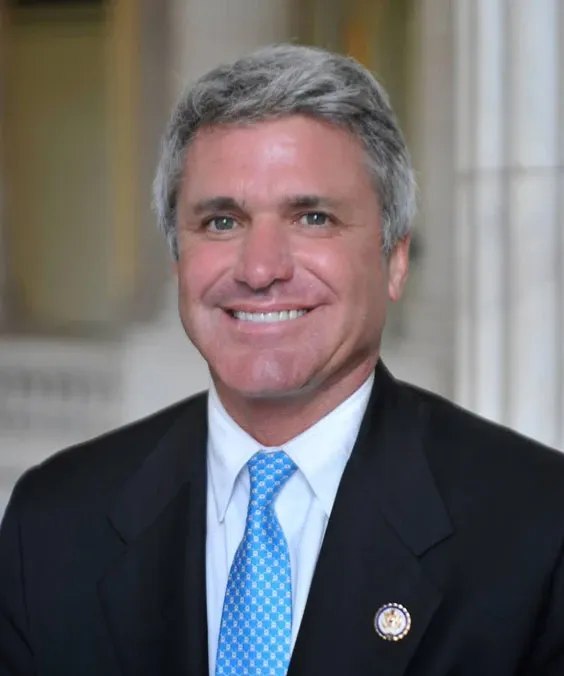
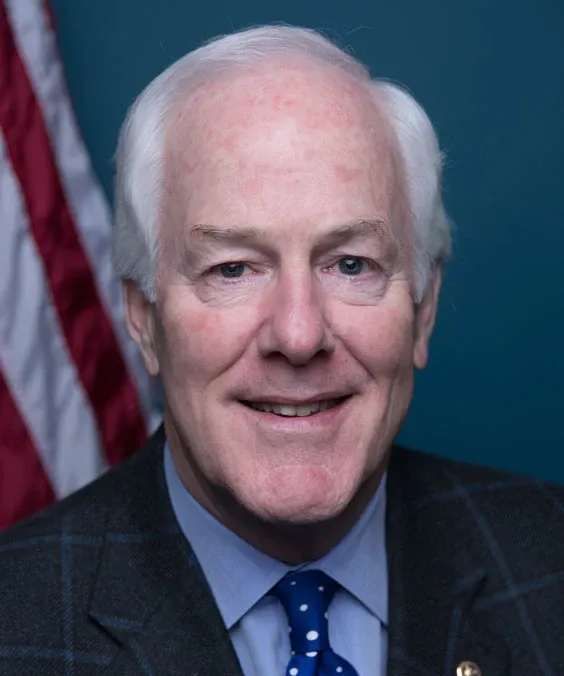
Michael Clifton Burgess is an American politician and physician who has served as the U.S. Representative for Texas's 26th congressional district since 2003. A member of the Republican Party, Burgess has focused on healthcare policy, leveraging his medical background to inform his legislative work. He has been involved in various committees and has advocated for issues such as medical research and veterans' healthcare. Burgess has also been a vocal supporter of conservative fiscal policies and has participated in discussions surrounding healthcare reform.
One of the hazards of having been on this committee for a number of years is you see themes repeating themselves.
In 2014 Ranking Member DeGette and I looked into the practices of certain dental management service companies within the Medicaid program.
I am also concerned about allowing entities engaging in fraud to continue to receive Federal funds.
I do want to point out that the recently passed H.R. 2, that this committee had a great hand in getting started, and shepherding through the legislative process, and ultimately it was signed by the President.
Each of those dollars that is spent inappropriately is a dollar not spent on a patient, and is, in fact, a wasted taxpayer dollar.
Medicaid, a program that is entirely under our jurisdiction in the Energy and Commerce Committee, is a vital program that covers and provides care for some of the nation's most vulnerable populations.
Anything we can do to strengthen the controls to prevent overpayment and fraud is great with me, because the hard working Americans in all 50 states rely on these Medicaid services.
I think it is important to put this discussion of improper payment rates in context with large scale financing of other public and private sector programs.
Well, seeing there are no further members wishing to ask questions, I do want to thank all of our witnesses for their participation in today's hearing.
I would like to request unanimous consent to submit a written statement of the American Car Rental Association and the Consumers for Auto Reliability and Safety into the record.
I just want to ask you one thing quickly. I was being interviewed on a national business show the other--or last week, and they pointed out to me that in New York, I guess is where the show originated, that they called dealers around the…
But just so people are clear, to cut through any of the talk surrounding this, are the replacement devices safe? Not safer, but safe, unequivocally safe.
So, let me just ask you this, is there anything else that you can do, or we can do, to make certain that this process is clearly and effectively communicated to the driving public?
When will we have a plan that can be presented to the public, identifies who is affected, and when they will have a safe, not a safer, but a safe replacement part available?
It is inconceivable to me that none of the tests conducted by Takata over the past year on over 30,000 inflators has given us a clearer picture and dictated more direct action.
The American people deserve much better. They deserve to know, when a national recall is announced, if their car part is of the recall.
Every morning I fear I am playing headline roulette waiting for another rupture, another injury, another death.
Are we any better off today than we were in 2007 and 2008, as far as containing things that come into the country that may be hazardous?
Politicians like Michael Burgess