Feb 14, 2011
Mr. Panetta, what are the implications of the United Kingdom's reductions in military spending for the future of the NATO alliance?
The Public Record
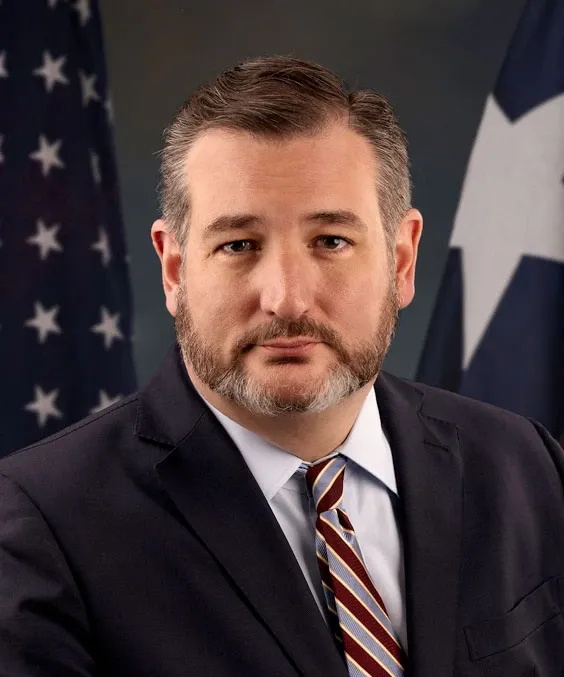
John Cornyn is a United States Senator from Texas, serving since January 3, 2002. A member of the Republican Party, he has held various leadership positions within the Senate, including serving as the Senate Minority Whip. Cornyn has focused on issues such as judicial appointments, immigration reform, and national security throughout his tenure. He is known for his strong support of conservative policies and has frequently aligned with the positions of former President Donald Trump.
Mr. Panetta, what are the implications of the United Kingdom's reductions in military spending for the future of the NATO alliance?
Given the clear and immediate demand for more trainers and training options in Afghanistan, as well as India's willingness to help thus far, should we invite India to play a greater role in training the Afghan security forces?
Mr. Panetta, how much additional Federal funding does the CIA anticipate needing to spend on this?
Mr. Panetta, in your written responses to the advance policy questions, you note that 'U.S. strategic interests in Pakistan encompass both our relationship with Pakistan itself and Pakistan's role in the campaign against al Qaeda.' What is…
The recent killing of five American soldiers served as a chilling reminder that security in Iraq remains fragile.
I believe there is potential for the United States and our strategic partner India to co-develop one or more military weapon systems.
The stability of the region, especially following the transformational effects of the Arab Spring, is a national security interest for the United States.
We should always be skeptical when so-called experts suggest that all a particular crisis calls for is a little surgical bombing or a limited attack.
In the President's April speech on debt reduction, he targeted security spending for $400 billion in cuts over the next 12 years.
Yes, the goal of the NATO-led military effort and the mandate of the U.N. resolution is very clear: to protect the Libyan people.
Politicians like John Cornyn