Feb 15, 2012
I remain concerned by this administration's insistence on timetables for the future U.S. drawdown in Afghanistan.
The Public Record
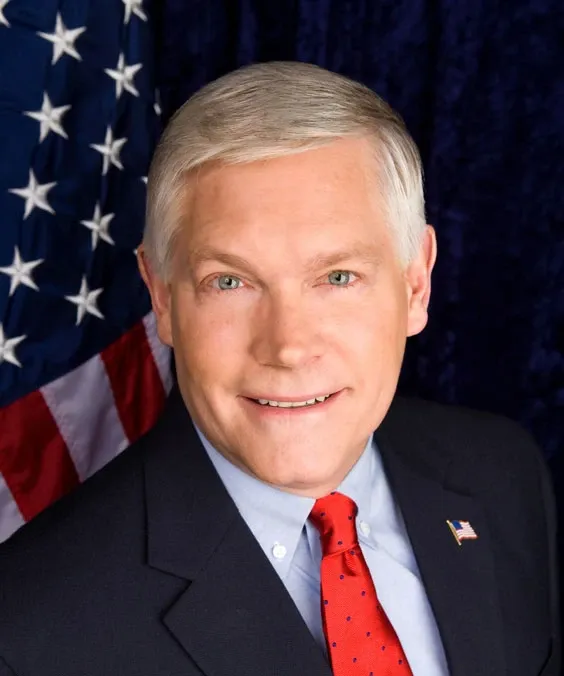
John Cornyn is a United States Senator from Texas, serving since January 3, 2002. A member of the Republican Party, he has held various leadership positions within the Senate, including serving as the Senate Minority Whip. Cornyn has focused on issues such as judicial appointments, immigration reform, and national security throughout his tenure. He is known for his strong support of conservative policies and has frequently aligned with the positions of former President Donald Trump.
I remain concerned by this administration's insistence on timetables for the future U.S. drawdown in Afghanistan.
We have been debating a payroll tax holiday. An estimate is that it would provide an extra $20 a week for a person making $50,000 a year, but in 2011, the average family spent more than $4,000 in gasoline.
A blockade of the Strait of Hormuz, because of the blockade of the oil trade--would you see that that would have a negative impact not only on the global economy in terms of the projections of growth.
If we withdraw our forces precipitously and the Afghan Government fails, we would be left with a failed state not much different than the pre-September 11 Afghanistan.
I am advised Mexico Government officials were not advised by the Department of Justice or the Bureau of Alcohol, Tobacco, and Firearms about this 'Fast and Furious' program.
I see this goal as, at best, the stuff of pure fantasy, and, perhaps more accurately, incredibly misguided and perilous for our Nation's long-term security.
Would you agree that Iran is directly responsible for the death of U.S. servicemembers in Iraq and Afghanistan over the past several years?
If the next president of Mexico loses focus of the necessity to combat the drug cartels and strengthen the rule of law, what would the impact be?
What is your assessment of the progress that has been made since Calderon took office in December 2006?
Do you think explicitly stating our military timetables makes it easier for the Taliban and its affiliates to formulate their strategy and plan for the future?
How might this play out, and what U.S. interests would be most at risk in such a situation?
Politicians like John Cornyn