Jun 12, 2019
I believe the Yucca Mountain should go forward, and we should supplement that with another search.
The Public Record
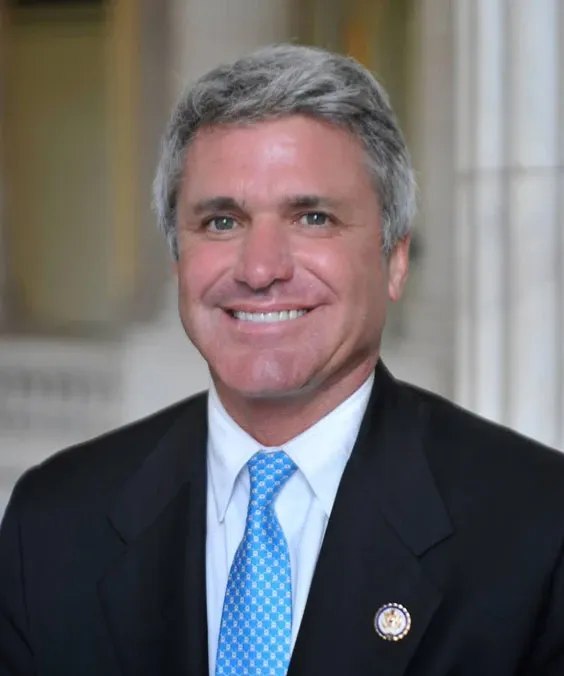
Bill Flores is a former U.S. Representative from Texas, serving in the House from 2011 to 2021. A member of the Republican Party, he represented Texas's 17th congressional district. During his tenure, Flores focused on issues such as fiscal responsibility, energy policy, and veterans' affairs. He was known for his commitment to conservative principles and played a role in various legislative initiatives during his time in office. After deciding not to seek re-election in 2020, he concluded his congressional career and has since been involved in various business ventures and community activities.
I believe the Yucca Mountain should go forward, and we should supplement that with another search.
The sport of condemning each other when either side tries to touch the third rail of policy in this town.
I think the American people are rightly curious about what the Democratic House priorities are.
I think we need to look at nuclear, Mr. Chairman. I haven't heard much about that in these conversations, and I hope that we do.
The challenge is is that every time we try to come up with a new solution that it creates an environmental problem and I think we need to be responsible when we do that.
I want to say, Governor, there is one area where I totally agree with you. Well, let's say two areas...
I would like to drill into the allocation of the budget real quickly, if we could.
I would like to see rural America have just as much access to capital and technology as my constituents do that live in urban and suburban areas.
I totally agree with you on both points. That is great. It seems that we could and should do both, so we are creating the right environment where companies can have the confidence to invest in new jobs, in new projects, and invest in their…
And as a fellow Texan, and a former member of the oil and gas industry, I am pleased for my colleagues to hear your perceptions about our industry and to dispel some of the myths about our industry, and also to talk about the great…
It seems that we could and should do both, so we are creating the right environment where companies can have the confidence to invest in new jobs.
We have to educate the workforce; but, two, you have got to make sure there is a job for that workforce to go to after you have educated them.
I am pleased for my colleagues to hear your perceptions about our industry and to dispel some of the myths about our industry.
If we are serious about the threats of climate change, we need to accelerate the deployment of more emissions-free next-generation nuclear power.
I hope that your side of the aisle will continue working with us in a bipartisan manner to address this critical issue for the American people.
$850 in southeast Missouri is not crumbs. To some politicians in San Francisco, California, it is crumbs.
Some of the testimony today, I think, has been somewhat inflammatory and a little bit reckless, particularly economically reckless.
I do agree that, as we have future hearings on this subject, we need to consider the gnarly environmental footprint that some storage technologies have.
If we are really serious about climate change, we need to get serious about the role of nuclear power.
Politicians like Bill Flores