Feb 9, 2016
As chairman of the House Nuclear Cleanup Caucus stakeholders and contractors have complained to me of the distrust that is created when the Department fails to follow through on its commitments.
The Public Record
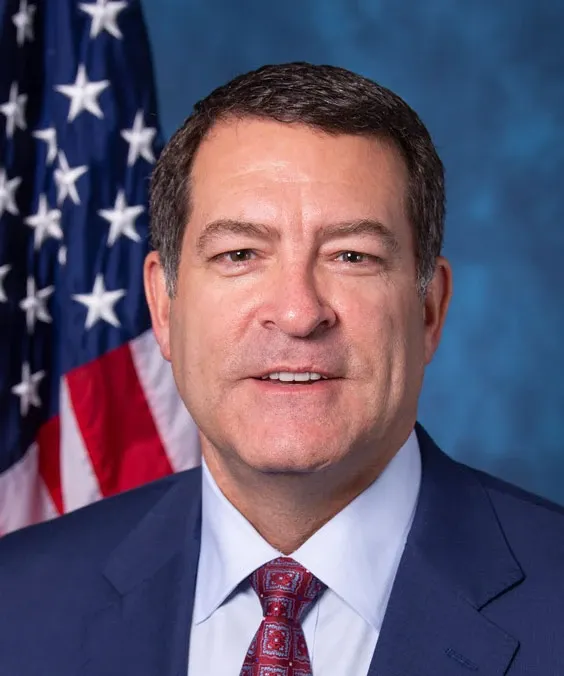
Chuck Joseph Fleischmann is an American politician serving as the U.S. Representative for Tennessee's 3rd congressional district since January 5, 2011. A member of the Republican Party, Fleischmann has focused on issues such as fiscal responsibility, job creation, and national security during his tenure in Congress. He has been involved in various legislative efforts and has served on multiple committees, contributing to discussions on energy, transportation, and infrastructure. Fleischmann was born on October 24, 1963, and has been active in Tennessee politics for several years, building a reputation as a staunch advocate for his constituents.
As chairman of the House Nuclear Cleanup Caucus stakeholders and contractors have complained to me of the distrust that is created when the Department fails to follow through on its commitments.
The scientific user facility supported by the Department of Energy, Office of Science, provides some of the most unique, powerful, cutting-edge tools to over 30,000 university, industry, and government scientists from all over the country.
These problems have removed incentives for the many Department of Energy program offices to work together in an integrated way.
Mr. Fleischmann. Thank you so much. Mr. Kotek, the small modular reactor program will help promote our leadership in the use of nuclear power worldwide and represent significant investment in first of a kind engineering for small modular…
In your consideration of SMR license applications, are there lessons to be learned from the recent licensing of Watts Bar 2...
I thank my colleague, Mr. Collins from the great State of Georgia--our sister State right to the south of us. Mr. Speaker, I represent the great State of Tennessee, as the gentleman alluded to--the great city of Chattanooga and the…
What is the benefit of this project to the taxpayer, and will it save them money?
Can you please explain the importance of this system and the operational impact if it is not replaced.
My biggest concern and my biggest objection to it is that the administration is doing this by Executive order and not through the legislative process.
Would it be that the fees that legal immigrants, people who are playing by the rules, are paying--would those funds be designated to use to pay for those who are not here illegally?
And this has really shaken, I think, the core of our republic to have the administration move ahead with its immigration initiatives.
Some are furious. Some are saddened by the administration's circumventing Congress and, as they see it and I see it, circumventing the United States Constitution with the Executive orders and initiatives.
What is the Department doing to address the need for commonality and for a new flying hour program for CBP so that both the Department and Congress can compare program costs across the Department?
Thank you, Mr. Chairman. And good morning, everyone. It is great to be with you all.
Well, again, Mark, I want to thank you for your commitment to clean up. That is my steadfast commitment as well.
I do want, for the record to say I am the chairman now of the nuclear clean up caucus and I cherish that position.
I sincerely look forward to working with you all on this workforce development issue because I think it is not only great for my great State of Tennessee, but for the Nation.
One of the things that I would ask Congress to do is pass legislation that would allow us to impose penalties against third-party fraudsters.
I believe Obamacare is inherently flawed. I thought it was flawed from the beginning.
Is waterway infrastructure a priority for this administration? Because it is a priority for us, for me in particular. Is it a priority for this administration?
What does the Corps plan to do with the additional Inland Waterway Trust Fund revenues that they have not allocated for fiscal '16?
We listened when we heard that the Trust Fund was broken and needed to be fixed.
Politicians like Chuck Fleischmann