Feb 8, 2012
I think that all three of you have said that Fannie and Freddie staying in their present state in perpetuity is probably not a very good thing.
The Public Record
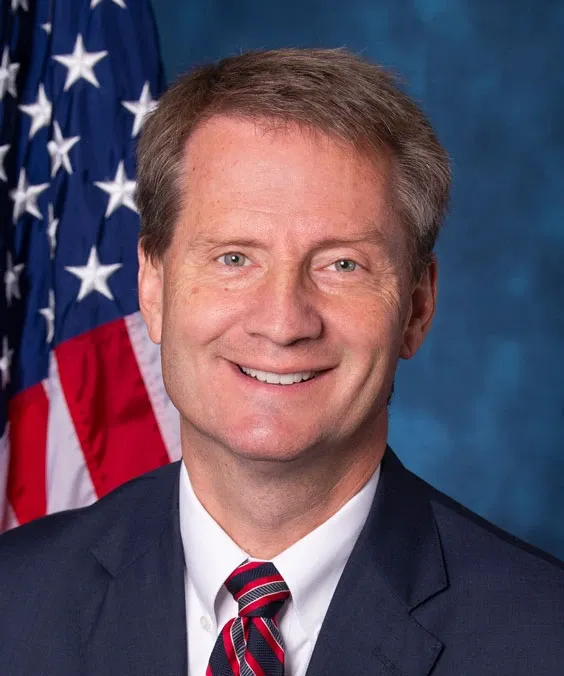
Bob Corker is a former United States Senator from Tennessee, serving from January 4, 2007, to January 3, 2019. A member of the Republican Party, Corker was known for his leadership as the chairman of the Senate Foreign Relations Committee, where he focused on issues related to foreign policy and fiscal responsibility. During his tenure, he played a significant role in shaping U.S. foreign relations and was involved in key legislative efforts regarding international agreements and budgetary matters.
I think that all three of you have said that Fannie and Freddie staying in their present state in perpetuity is probably not a very good thing.
Several years ago, I guess, we embarked on something called AfPak. It was called the Holbrooke doctrine.
I mean, 10 years ago their most major enemy was right next door in Iraq. Today they are flying airplanes over Iraq into Syria to help one of their allies.
Thank you, Mr. Chairman, and thanks for calling this hearing. And thank you, Mr. Ambassador, for your willingness to serve here, and what you have been there, and for your earlier comments along with Senator Lugar's regarding Chris Stevens.
It's really the American taxpayer that's footing this bill and is quite frustrated with Pakistan at present.
I do not think anybody is going to consider that to be a very astute or intelligent thing to do.
It's basically saying we're going to leverage Russia by not repealing Jackson-Vanik.
I appreciate the efforts that Senator Cardin has put forth in a one-off situation.
The more interaction that U.S. companies and citizens have with countries like this... there is an evolution toward Western cultural acceptance.
I am just saying that a systemic crisis, a systemic crisis, when you say the big guys all do the same size, well, you know, the banks that are all $500 billion are going to be doing the same thing, too.
if you broke up, let us say, the largest institutions, you created thirty $400 to $500 billion institutions, if you had a systemic crisis, you would do exactly the same thing.
I would just say in general the observation is that you all are really succumbing to politics and are unwilling to take on the tough issues that need to be dealt with.
I do not know whether you are enjoying being part of a political game that is taking place regarding this...
because of the tremendous cooperation of the Senator from Michigan and the Senator from Arizona--obviously, my goal is to call for this amendment to be adopted--I did not provide a lot of context because I know they both support this…
I wish to speak briefly about this amendment. I think most people in this body understand we are reimbursing the Pakistani military for efforts they are putting forth on behalf of what we are doing in Afghanistan in Enduring Freedom. We…
I ask unanimous consent that a modification to amendment No. 1172 be accepted. The PRESIDING OFFICER. Is there objection? Without objection, it is so ordered. The amendment (No. 1172), as modified, is as follows: (Purpose: To require a…
I ask unanimous consent that the order for the quorum call be rescinded The PRESIDING OFFICER. Without objection, it is so ordered. Amendment No. 1172, As Modified
I do not want engagement. Why have you not laid out--why does Secretary Geithner not lay out what it is he would like to see happen?
Politicians like Bob Corker