May 13, 2013
And I will say that if Fannie and Freddie in this last go-round had just had a 5 percent capital buffer there would have been zero taxpayer losses.
The Public Record
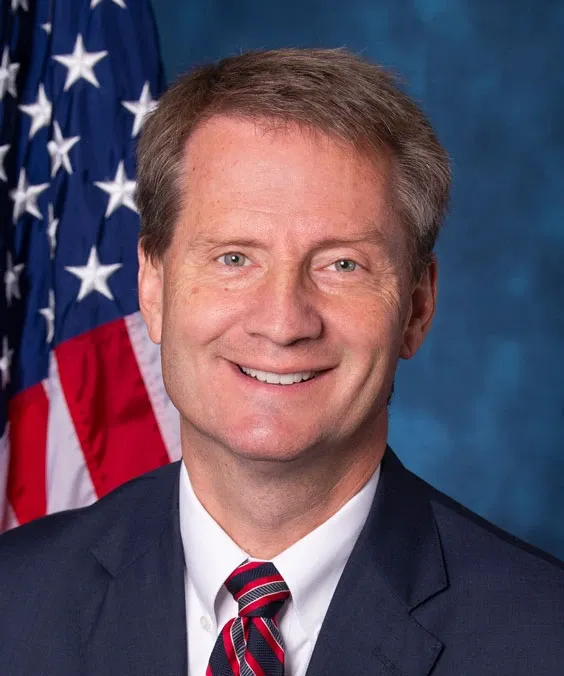
Bob Corker is a former United States Senator from Tennessee, serving from January 4, 2007, to January 3, 2019. A member of the Republican Party, Corker was known for his leadership as the chairman of the Senate Foreign Relations Committee, where he focused on issues related to foreign policy and fiscal responsibility. During his tenure, he played a significant role in shaping U.S. foreign relations and was involved in key legislative efforts regarding international agreements and budgetary matters.
And I will say that if Fannie and Freddie in this last go-round had just had a 5 percent capital buffer there would have been zero taxpayer losses.
So does anybody disagree that we ought to be taking advantage of market conditions and taking this balance sheet down in a methodical thoughtful way?
History will show that I do not think private mortgage insurance will be a very good first-loss position because it would not be there when you need it.
I do think there was a semantics issue, and I just want to point out that let's just say you had a 90-10 model, just for talking purposes. You would have automatically shrunk the public side by 10 percent, immediately on the front end.
I am all for private insurance on the portion above 80 percent. I just think as an equity piece that is not really what you are getting.
I am under no illusions about the enormous challenges we face on arms control, nonproliferation, and political/military affairs.
As Senator Corker said, preventing nuclear proliferation is a bipartisan national security priority.
I do not know what we will do at our next visits to see people in great distress who have been displaced without the American support that has been broadcast, and yet not forthcoming.
I do not know if we have a more qualified ambassador in our Foreign Service, and I know that she is going to have to develop a coherent, comprehensive strategy for how we deal with a lot of thorny issues, including and specifically Syria…
I think we can all agree that we face a new and more complex set of proliferation threats.
I think you put the odds of a comprehensive deal at about 50/50 because we do not know the direction that this is going to head.
I think we may be aided by having the support of many of our allies in this respect, but it is going to be a long, hard slog.
I do not think we are back where we started, because the population is energized.
the administration has announced publicly that there are covert activities, relative to doing these things.
I found our conversation yesterday about the negotiations with Iran to be the best that I have had on the topic.
legally binding guarantees that our missile defenses will not have a negative impact on their deterrent.
I just traveled, not 3 months ago or so, through northern Africa to see what is happening with the nodes, if you will, of al-Qaeda that have now splintered off, and the effect that it is going to have on North Africa as well as the role…
It would be seen by the Iranians as potentially a move away from the track that we are on, negotiations and diplomacy.
This is a critically important post, something that both of us have been pushing for, and I am glad the State Department finally has made this nomination.
In Libya we have a situation, as we talked about yesterday in my office, in which a country that has almost no government. You can feel it when you are there on the ground. Much of the country appears under militia control, and many recent…
I think that everybody is impressed by Prime Minister Abe's commitment to really a comprehensive, high quality accord.
Politicians like Bob Corker