Apr 15, 2013
Aviation safety has to be the FAA's top priority, and it's certainly a top priority of this committee.
The Public Record
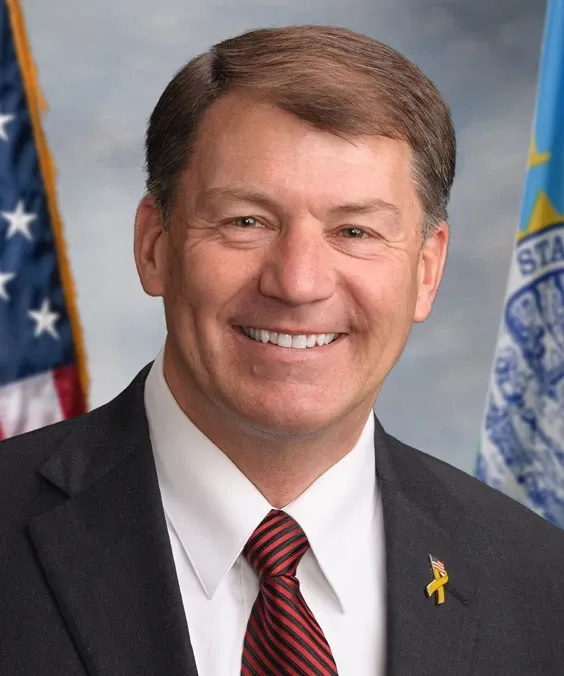
John Randolph Thune is an American politician serving as the senior United States senator from South Dakota since 2005. A member of the Republican Party, Thune has been a prominent figure in national politics, focusing on issues such as immigration enforcement, border security, and federal worker compensation. He has played a significant role in shaping Republican policy in Congress and has been involved in various legislative initiatives throughout his tenure.
Aviation safety has to be the FAA's top priority, and it's certainly a top priority of this committee.
I want to thank Commissioner Miller for the penalty relief that you are providing to filers who have been impacted by storms in the south and the Midwest over the past few days.
I guess I am curious as to why the administration felt it necessary to go back to the 2009 parameters when it comes to that, which would lower the exclusion amount from $5 million to $3.5 million, and second, would raise the tax rate.
The whole idea of tax reform, in many of our minds at least, was to get away from that in the tax code.
I think it is unfortunate that we are trying to come back and review this in light of the impacts that it would have on small businesses and farm and ranch families.
By the way, there was a vote on the budget 2 weeks ago here in the Senate, and it got 80 Senate votes, Republican and Democratic, basically stating that the estate tax should either be repealed or reduced.
Moving freight and goods and keeping our economy competitive has to be job number one for us.
Do you expect a significant increase in the amount of agricultural products being shipped by rail as a result of the Canal widening?
If you combine the fact that the larger Panamax vessels will lead to lower shipping costs and the recent increases in domestic oil and natural gas production, can you explain what, if any, changes we can expect in manufacturing and in…
The widening of the Panama Canal presents a great economic opportunity not only for port states but for the nation as a whole.
As global trade increases, we will need to find new ways to move freight effectively and efficiently.
It is also crucial that we not overlook the needs of rural states such as South Dakota.
I am particularly encouraged by the fact that the widening of the Canal can increase opportunities for American exports.
I guess my concern in all this--and I wish I had voiced it to you yesterday--is that there is not a sufficient avenue for rural voices to be heard in this process when the panel is predominantly from non-rural facilities.
For some seniors, it means the drug plan that they have been using for several years has changed, and those changes increase co-pays to go to their regular pharmacy instead of the pharmacy in the new preferred network.
I am concerned that the clarification is in fact instead a significant change in Medicare policy that would place considerable burden on hospitals, especially facilities in rural areas.
Thank you for your service and willingness to come up here and answer all these questions today.
Thank you and Ranking Member Wicker for working together on an ambitious agenda for the Communications Subcommittee.
For many households, satellite is their only option for video and Internet services.
What is keeping these people off the Internet? And are the broadband adoption challenges in rural America unique from the issues seen in the big cities?
Census Bureau surveys show that nearly 60 percent of rural households not connected to the Internet say they either do not need it or it is too expensive.
For those of you who compete head to head with other providers of voice, video, and Internet services, do you feel that you are competing on an even regulatory playing field with your competitors?
Politicians like John Thune