Jul 24, 2013
We must find solutions that leverage the innovation and know-how of the private sector, as well as the expertise and information held by the Federal Government.
The Public Record
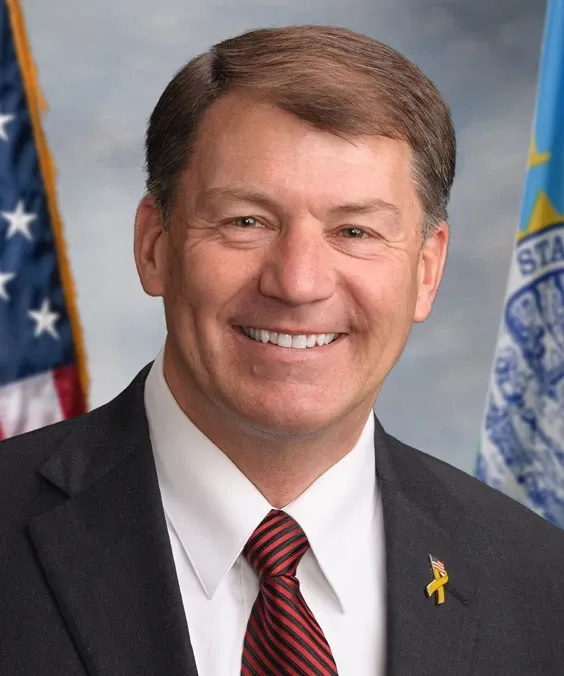
John Randolph Thune is an American politician serving as the senior United States senator from South Dakota since 2005. A member of the Republican Party, Thune has been a prominent figure in national politics, focusing on issues such as immigration enforcement, border security, and federal worker compensation. He has played a significant role in shaping Republican policy in Congress and has been involved in various legislative initiatives throughout his tenure.
We must find solutions that leverage the innovation and know-how of the private sector, as well as the expertise and information held by the Federal Government.
Having served with the Senator from Massachusetts in the House, I know there's a real pent-up demand to talk for long periods of time when you get to the Senate.
It's accurate to say that, even if a vessel is foreign-flagged, it is responsible for complying with all relevant U.S. safety standards.
Ensuring safety across all modes of transportation is one of this committee's most important functions.
Thank you, Mr. Chairman. Welcome, panel. Nice to have you here. Thanks for your answers to our questions.
I think we ought to have these nominees think that their confirmation is still in doubt until they answer these questions and make sure we get the right answers.
E-Rate was a success. And at the time it was built, these technologies were not available at a cost that would have made sense for schools.
I agree with Commissioner Pai and the President, because it is very important for all government programs to stay within their means in this difficult fiscal and economic environment.
The President's ConnectED initiative includes the goal of connecting 99 percent of America's primary and secondary students with high-speed broadband and wireless within 5 years.
I hope E-Rate will avoid prioritizing reaching debatable speed goals for some schools at the expense of necessary connectivity in others.
I look forward to seeing how the FCC addresses this reality through E-Rate reform.
I agree with champions of the program, like our new colleague, Senator Markey, who note that the original goals of E-Rate have largely been met.
You advocated user fee funding for expanded regulation by the CFTC on almost all fronts: high-frequency trading, physical commodity holdings, not to mention to help cover the costs of staffing and technology.
I want to thank our panelists here for hanging around and giving us the opportunity to continue to ask questions.
I was pleased that the language was included in the bipartisan JOBS Act, which was signed into law by President Obama.
I think it is important to remember that we have got to do this in an intelligent way.
I am concerned about the digital divide that may only get larger as rural hospitals are expected to take a leap into the more rigorous requirements of Stage 2.
We have got to ensure that China's food security and adequate supply does not come at the expense of ours here in the United States.
Forensic science laboratories should be independent of or autonomous within law enforcement agencies.
We must also avoid unintentionally and undeservedly casting doubt on the good work that the vast majority of practitioners perform.
Do you agree that the goal of the incentive auction ought to be to maximize net revenues in order to cover the costs of FirstNet, Next Generation 9-1-1, and to reduce the deficit?
I'm firmly committed, as you know from our earlier conversation, to expanding telecommunications opportunities for people in my state.
The Communications Act and its enforcer, the FCC, are analog legacies in a digital world.
Politicians like John Thune