Jun 28, 2017
This drought shows just how important CRP is to States like South Dakota, not only because of the environmental and wildlife habitat benefits, but also as a source of emergency feed when drought occurs.
The Public Record
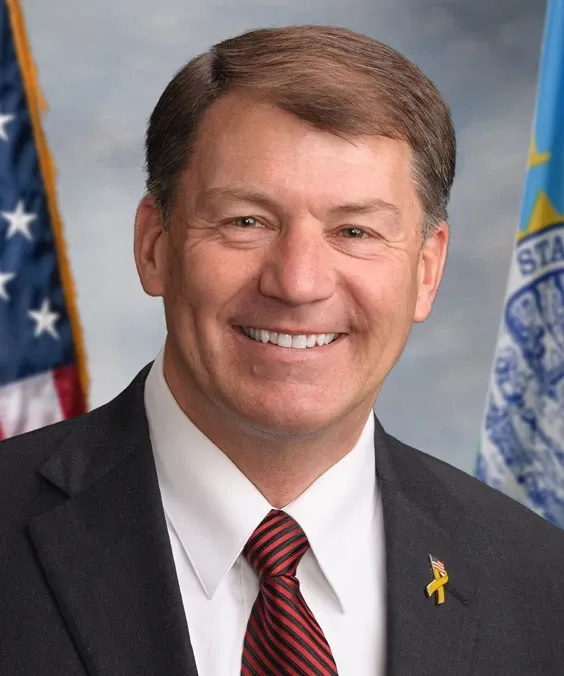
John Randolph Thune is an American politician serving as the senior United States senator from South Dakota since 2005. A member of the Republican Party, Thune has been a prominent figure in national politics, focusing on issues such as immigration enforcement, border security, and federal worker compensation. He has played a significant role in shaping Republican policy in Congress and has been involved in various legislative initiatives throughout his tenure.
This drought shows just how important CRP is to States like South Dakota, not only because of the environmental and wildlife habitat benefits, but also as a source of emergency feed when drought occurs.
I want to thank you for holding this hearing today on the forestry and conservation titles. Both are critically important to my home State of South Dakota.
It is essential that USTR have senior-level staff dedicated to combating foreign restrictions and promoting U.S. digital economy and trade interests.
In my home State of South Dakota, I have constituents who are harnessing Internet-enabled tools to access customers abroad in ways that would have been impossible a decade ago.
I would ask you to proceed with caution, especially with regard to the agricultural provisions.
I happen to believe NAFTA has been an important and beneficial trade agreement for the United States.
Admiral Pekoske is an exceptionally well-qualified nominee to become the next TSA Administrator.
The Audi A7 that you took a ride in, Senator Thune, is based on our technology.
Yesterday, Chairman Thune, Ranking Member Nelson and I released principles for bipartisan legislation that will address these problems.
I believe that public-private partnerships between the Department of Transportation, industry, academia, and proving grounds will help ensure continued American leadership in innovation.
Left unchanged, these standards would make it challenging for manufacturers to test and deploy these potentially life-saving vehicles.
With more than 90 percent of those deaths attributable to human error, self-driving vehicles--which, after all, can't fall asleep, use drugs or alcohol, or get distracted by texting--have the potential to reduce these tragic numbers…
You and the Committee are to be commended for your leadership on highway safety.
Congress can help by making sure that efforts to develop self-driving vehicles aren't unnecessarily delayed or deterred by regulations.
Self-driving vehicles have the potential to make transportation smarter, safer, and more accessible.
Capitol Hill is something of a community, and while details are still coming in, we already know that this despicable act has affected people that we know and their families.
We plan to introduce bipartisan legislation that will allow self-driving technology to continue moving forward while ensuring that it is done in a safe, responsible, and secure way.
Self-driving vehicles are poised to bring enormous disruption to our transportation networks that will improve our lives and our society.
Only the Federal Government can ensure a framework that encourages and enables the development of highly automated vehicles.
Public policy should spur this innovation, encourage testing, and permit nationwide deployment of vehicles across all levels of automation.
We commend Chairman Thune, Ranking Member Nelson, and Senator Peters for their commitment to pursue bipartisan legislation on automated vehicles.
Uber thanks Chairman Thune, Ranking Member Nelson, Senator Peters and other members of the Committee for highlighting the importance of policy frameworks that enable companies able to deploy self-driving cars safely and rapidly.
IHS is committed to regular, meaningful tribal consultation and collaboration for a sound and productive relationship with the tribes.
I hope this Committee can move quickly on this legislation being discussed today.
Politicians like John Thune