Jun 8, 2009
To what extent could an increased inventory of long-range bombers, in some ways, make up for the shortfall in Navy and Marine Corp strike fighters?
The Public Record
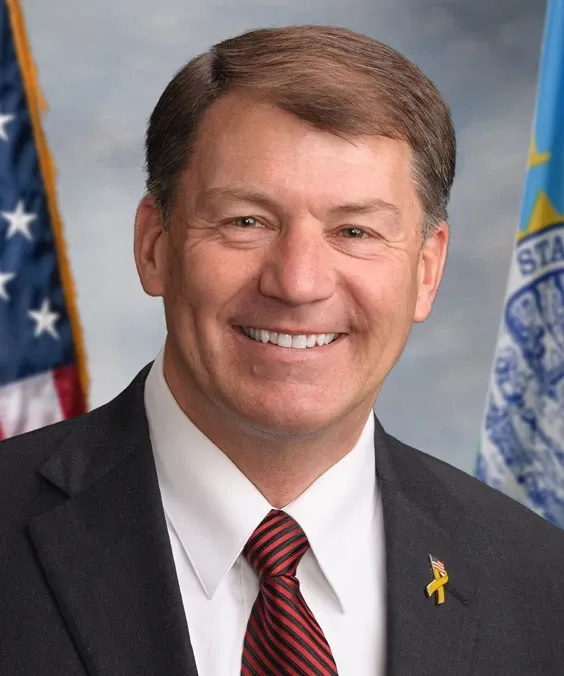
John Randolph Thune is an American politician serving as the senior United States senator from South Dakota since 2005. A member of the Republican Party, Thune has been a prominent figure in national politics, focusing on issues such as immigration enforcement, border security, and federal worker compensation. He has played a significant role in shaping Republican policy in Congress and has been involved in various legislative initiatives throughout his tenure.
To what extent could an increased inventory of long-range bombers, in some ways, make up for the shortfall in Navy and Marine Corp strike fighters?
Should Congress consider lifting that prohibition and allow FMS of F-22s, for instance to Japan and Australia, which have expressed some interest?
The Commandant of the Marine Corps recently testified to the committee that the Marine Corps will reach IOC in 2012 with a standing squadron ready to deploy.
We have to be concerned, though, and we all pray that the economy turns around, but for recruiters that'll make life difficult again, I'm sure.
The Navy has vastly expanded its estimate of size of the so-called fighter gap, putting the shortfall of fighter planes at 243 aircraft by 2018.
If the F-35 schedule slips or the rate of production is less than assumed, alternatives for managing the strike fighter shortfall seem limited.
In terms of the TACAIR portfolio, are there any aspects of that plan with which you have any difficulty?
the F-35 program development schedule is likely to slip from 12 months to 27 months
The Marine Corps has an aggressive program of managing the operation life of all of its Harriers and Hornet models while waiting to introduce JSF into the operating forces.
the Department of the Navy's strike fighter gap could be a problem, especially if the JSF slips in becoming IOC.
Carrier aviation and our carrier strike group force structure are vital to executing our Military Strategy in support of the Nation's security and strategic objectives.
General Trautman, what is the current program of record for the number of F-35s to be stationed at your first operational location?
The success or failure of our efforts to modernize and transform the force of the future rests on decisions proposed, discussed, and implemented today.
Is the Army experiencing other shortfalls in other areas when it comes to equipment and trying to meet some of the changing dynamics of operations in Afghanistan relative to what we've been dealing with in Iraq?
We feel it's critical that we work to get something that we can begin fielding into our forces.
in your opinion does it make sense to increase concurrency between development and procurement?
The fiscal year 2010 budget is an integral part of a much longer term process that will help insure defense dollars are spent wisely to address the threats that we face today and will likely face tomorrow.
the Department of the Navy has identified a naval aviation strike fighter shortfall, which it projects to be more than 240 aircraft by 2018.
While the Army remains the best led, trained, and equipped army in the world, it is out of balance.
The Marine Corps will continue to manage legacy fleets of Harriers and Hornets until introduction of STOVL JSF.
we need to put whatever funding is available to ramp up F-35 production rates
I would echo Senator Chambliss' comments about budgetary factors driving a lot of our decisionmaking.
Politicians like John Thune