Aug 9, 2009
I think one of the practical problems we'll run into with the push to more fuel-efficient vehicles... is an ever-shrinking revenue source.
The Public Record
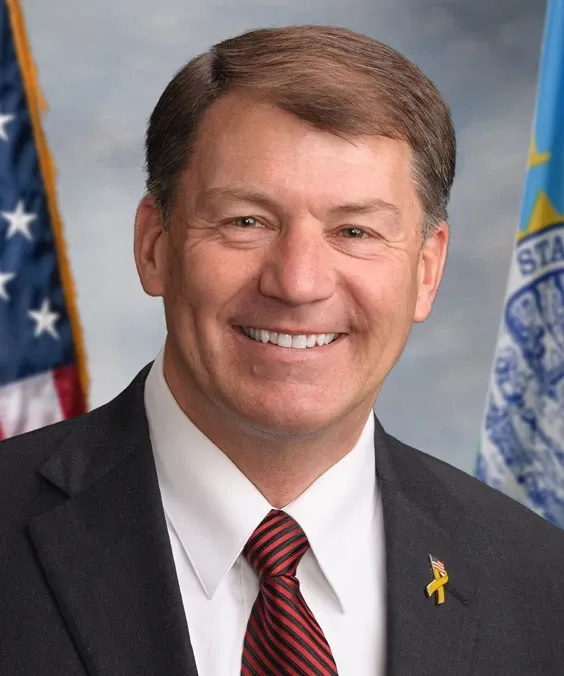
John Randolph Thune is an American politician serving as the senior United States senator from South Dakota since 2005. A member of the Republican Party, Thune has been a prominent figure in national politics, focusing on issues such as immigration enforcement, border security, and federal worker compensation. He has played a significant role in shaping Republican policy in Congress and has been involved in various legislative initiatives throughout his tenure.
I think one of the practical problems we'll run into with the push to more fuel-efficient vehicles... is an ever-shrinking revenue source.
If there's not real reform, I think it'll be a missed opportunity for the future of the highway system.
if such climate legislation is to pass, it should not result in a rural state, like South Dakota, being required to take impractical steps to reduce greenhouse gas emissions
They're both high priorities. The tax credit has been a high priority within the short-line industry.
But, if there's one example, one thing that the Congress ought to be doing right now that would improve--
Without rail access, the expense to raise a crop would increase significantly.
On that point, Ms. Richardson, have you ever, sort of, quantified or been able to figure out, when you talk about some of the inefficiencies and what that costs South Dakota agricultural shippers on an annual basis?
No industry is more dependent on a good viable transportation infrastructure than agriculture.
I think it's difficult for any Member of Congress to get it right when we're talking about something that has been collectively bargained for 100 years.
We appreciate that you are a co-sponsor of S. 308 and S. 309, bills introduced by Senator Baucus that would strengthen Federal funding for investment in highways in and across rural states.
My question is, how is your industry going to meet the challenge of doubling the amount of freight that it carries?
If South Dakota didn't have rail, South Dakota industries wouldn't be competitive in grain production.
Now, what makes us competitive is getting our product to market, but the manufacture of the imports is all going over overseas.
We, like AASHTO, support a different approach, under which not less than 90 percent of highway program funds would be distributed by formula to the states.
We're strong supporters of the Build America Bonds program, a $50-billion increase in transportation funding across the country.
The next Federal highway bill must ensure adequate investment in rural highways.
the next highway bill, my guess is, is going to be, as is usually the case, a huge fight between large states and small states, donor states and donee states.
I think it's important to explore the proper role of the Federal Government in ensuring our transportation system can safely and efficiently move freight and passengers throughout the country.
For agriculture to remain competitive, balance must be brought into the game.
But, some of the ideas under consideration, I think, would involve more dialogue between shippers and railroads.
The FRA does need to grant the short-lines' waiver request for small Class II and Class III railroads without further delay.
this has always been a very emotional issue with, specifically, our friends in the highway area, and the truckers, to some degree.
Politicians like John Thune