Jun 16, 2010
is there a chance the administration could decide against a new bomber, ALCM, or follow-on ICBM?
The Public Record
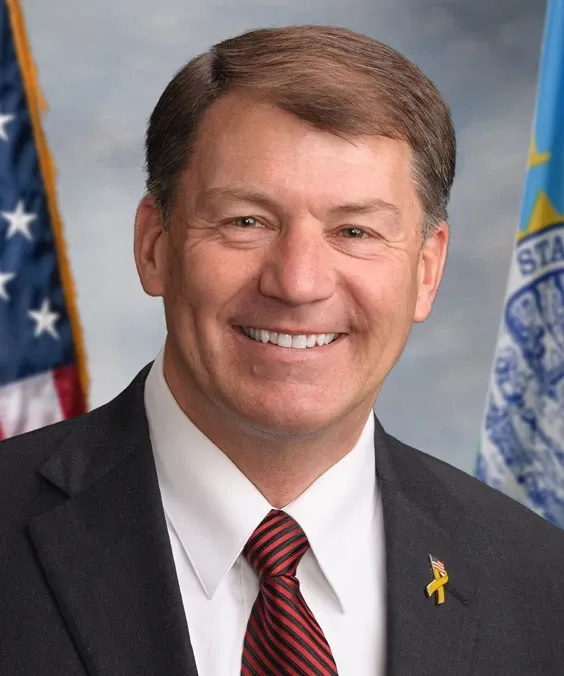
John Randolph Thune is an American politician serving as the senior United States senator from South Dakota since 2005. A member of the Republican Party, Thune has been a prominent figure in national politics, focusing on issues such as immigration enforcement, border security, and federal worker compensation. He has played a significant role in shaping Republican policy in Congress and has been involved in various legislative initiatives throughout his tenure.
is there a chance the administration could decide against a new bomber, ALCM, or follow-on ICBM?
Secretary Gates, please provide the analysis of alternative force structures that would comply with the New START central limits.
If we decide to develop that system, which of the three legs of the nuclear triad would be further reduced to accommodate prompt global strike?
why do you believe $100 billion is a sufficient investment in our delivery systems over the next decade?
Russia will threaten to withdraw from the treaty should the United States expand its current missile defense capabilities.
The press has reported that the administration is going to spend about $100 billion over the next 10 years in nuclear delivery systems.
President Obama asserted in his NPR that the United States could deter potential adversaries and reassure allies with a 'reduced reliance on nuclear weapons.'
the New START preamble recognizes: (1) the existence of the interrelationship between strategic offensive arms and strategic defensive arms; (2) that this interrelationship will become more important as strategic nuclear arms are reduced…
I believe it is critically important to our security and that of our allies that the United States maintain a deterrent based on a modernized Triad of SLBMs/SSBNs, ICBMs, and bombers.
The decision to agree to a limit of 700 deployed strategic delivery vehicles did not result from a change in the security environment.
What is your estimate of how the Russians will configure their strategic forces under the New START?
the New START treaty does not constrain the United States from deploying the most effective missile defenses possible.
why didn't we get a statement in the treaty text on an issue of equal importance to us, such as at least some reference to the myriad of issues raised by Russia's massive numerical superiority in tactical nuclear weapons, which should be…
The administration will invest $100 billion over the next decade in nuclear delivery systems.
About $30 billion of this total will go toward development and acquisition of a new strategic submarine.
the full exercise of the United States of its legal rights under the ABM Treaty . . . would not constitute a basis for such withdrawal.
Are you at all worried about undercutting the Air Force's improved emphasis on the nuclear mission after the problems the Air Force had with the nuclear mission a few years ago?
the choice before the Senate is between this treaty and no legal obligation for Russia to keep its strategic nuclear forces below an agreed level.
Whatever that right to peaceful nuclear energy may be, surely it is not an unqualified right.
Once these provisions were agreed, it became clear that we could sustain a strong Triad and meet deterrence and hedging requirements within a limit of 700 deployed ICBMs, SLBMs, and nuclear-capable heavy bombers.
I note that General Cartwright stated this concern after the NPR team had already conducted detailed analysis.
General Cartwright, as well as the rest of the Joint Chiefs of Staff, the Secretary of Defense, and both of us support the New START treaty including the limit of 700 on deployed strategic delivery vehicles.
At the July 2009 summit between Presidents Obama and Medvedev, the two presidents agreed to create a bilateral presidential commission.
Are you concerned that the New START does not prevent Russia from shifting its force structure to large numbers of land-based MIRVs?
Politicians like John Thune