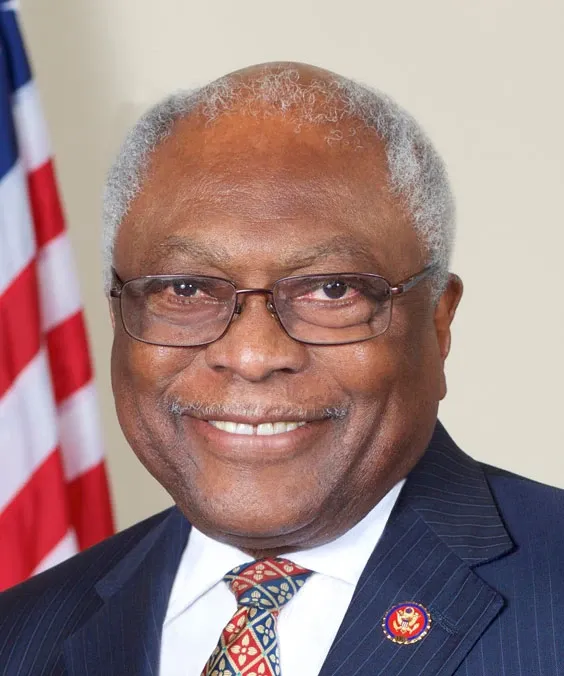
This clearly is a shift of leverage from the House and the Senate, the Congress, to the Presidency. The President would emerge from this kind of deal with much, much greater authority in dictating what the budget is going to be. My concern is, contrary to the belief that it might streamline the process by elevating the status of the budget resolution, I think it would probably prolong the process, protract the process. As a result, we would find ourselves with less time to do appropriation bills because it would take a much longer time to get the budget resolution done, because not only would we have to agree among ourselves, from party to party, we would have to agree with the White House. There is some advantage to that, trying to bring us together; but I think there is a lot of disadvantage, and there is a lot of room for chicanery.
John Spratt: “This clearly is a shift of leverage from the House and the Senate, the Congress, to the Presidency. The President would…”
Editor's note · Context
Discussing the implications of a budget resolution on presidential authority during a committee meeting.
Share
More from John Spratt
an approach which relies on giveaways instead of relying upon auctions would, represent the largest corporate welfare program that has ever been enacted in the history of the United States.
When President Obama was sworn into office at the beginning of this year, the economy was in deep contraction and jobs were being lost at a rate of 741,000 per month.
We are the Budget Committee, not the Energy Committee, and it is not our job to draft energy bills.
The moral of the story is, if the leaders of both parties don't want a commission to succeed, if the leaders of both parties aren't willing to put both parts of the budget, taxes and spending, on the table, the chances that it is going to…