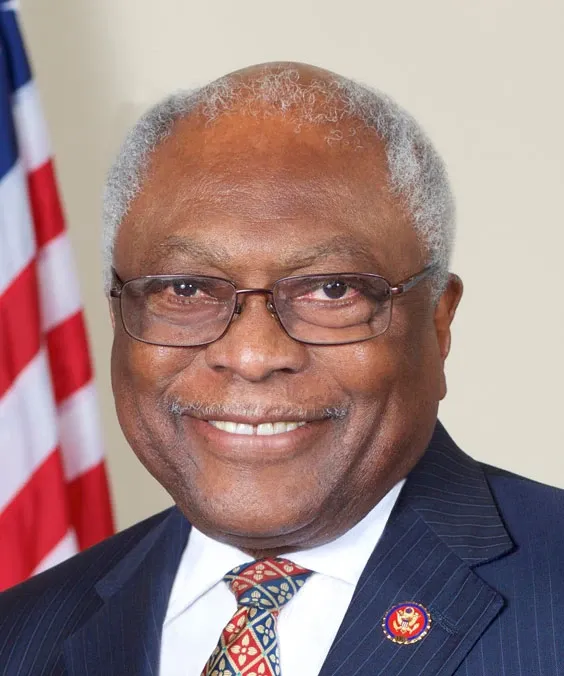
On the recordNovember 4, 1997
First of all, at a time when our trade deficit is reaching record highs, this bill, H.R. 2644, is totally one-sided. It lowers tariffs, it lifts quotas on apparel and six or seven different kinds of imports from 26 countries in the Caribbean and Central America, and it does so unilaterally. These countries are not required to make in return any trade concessions whatsoever to the United States. Second, this is a blanket grant of trade benefit to these CBI countries without any sanctions, without even any questions being asked about sweatshops or child labor or whether or not the country in question cooperates with the United States when it comes to interdicting drugs, money laundering and dealing with corrupt practices and corrupt customs, and those problems are endemic in some of these countries. Why do we do this? Why do we make these unilateral concessions? All in the name of fixing a nonexistent problem.
Source
govinfo.gov