In every major case since he became the nation's 17th chief justice, Roberts has sided with the prosecution over the defendant, the state over the condemned, the executive branch over the legislative and the corporate defendant over the…
Sheldon Whitehouse
The Public Record
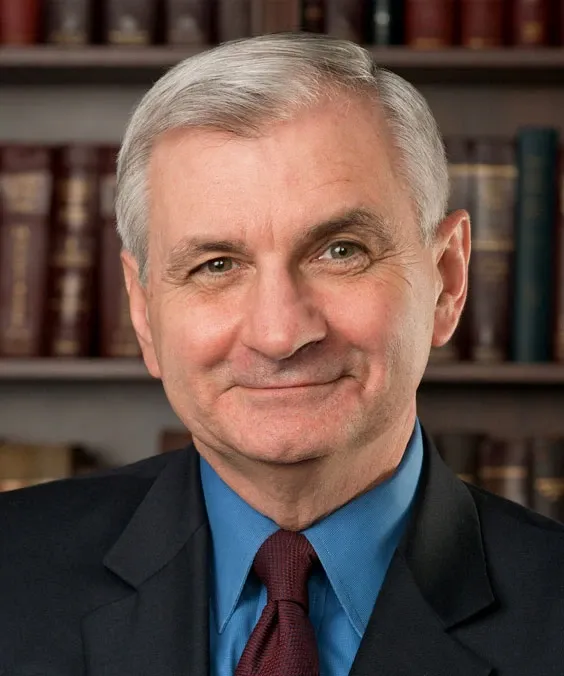
Sheldon Whitehouse is a United States Senator from Rhode Island, serving since January 4, 2007. A member of the Democratic Party, Whitehouse has focused on a range of issues including environmental protection, healthcare reform, and campaign finance reform. He has been a vocal advocate for addressing climate change and has worked to promote policies aimed at reducing carbon emissions and protecting natural resources. Whitehouse has also been involved in efforts to reform the political campaign finance system, emphasizing the need for transparency and accountability in political donations.
Thank you very much, John, and once again, welcome. It is wonderful to see you here.
I have to say you come very well represented here, and I am very pleased to have you here as Michigan's Director of the Department of Natural Resources.
This is a significant issue. Two factors drive it. One is global commerce, and the other is a changing climate.
Our first priority should be to prevent the introduction of invasive species or diseases into America.
I think we are at kind of a danger point in that if anybody adds anything over here, the whole enterprise begins to lose credibility.
I think that there is a very strong and responsible business voice that has emerged.
We do have to face those challenges, and our colleagues bring those points of view and they have to be addressed.
Fundamentally, what we are about here is to make sure that people cannot externalize internal costs of pollution and harm to others.
There is sort of a laggard's benefit. As a matter of public policy, and as a matter of simple justice, and as a matter of constituent service, I am interested in what thoughts you may have on what ways the bill could provide some value to…
We need to think of a way to be fair to communities like Rhode Island which took the hard step of getting off coal early on.
I welcome the Administration officials, with a particularly warm welcome to our former colleague, Secretary Salazar.
Very briefly, let me first express my view that the release of the OLC opinions was proper, was necessary, and was wise.
I think as you said, there is the risk that if industry itself won't stand up to these abusive practices and distinguish its science from them, that they will then suffer some of that taint, which I think is unnecessary.
How do we write a policy or pursue a standard of oversight that allows for some degree of management of the function of employees in talking to the media?
I think one of the most important things is going to be to draft an agency-wide media policy.
The task force has, in the Federal Register, filed a notice requesting public comments on the President's memorandum and its six guiding principles.
I think you and I share the belief that the better we remember this, the less likely it is to be repeated.
I think the experience of the last 8 years is a significant one. It was particularly bad, particularly unique.
More generally, we had a wonderful speech delivered by our President in Normandy. He talked about why the soldiers return to Normandy and tell their stories.
You must feel considerable satisfaction in seeing such swift results under this Administration of the recommendations that GAO offered in the past.






