Mar 5, 2012
The EPAA is a strong symbol of the continued U.S. commitment to NATO, an alliance that has served our interests for more than six decades.
The Public Record
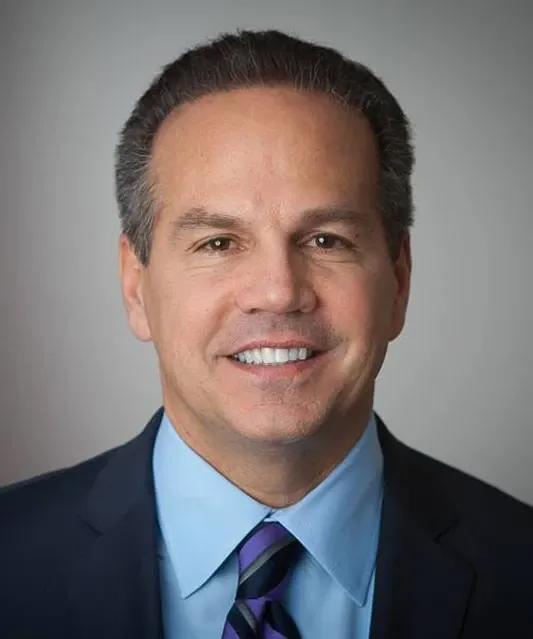
James R. Langevin is a former U.S. Representative from Rhode Island, serving from January 3, 2001, to January 15, 2022. A member of the Democratic Party, Langevin was the first quadriplegic to serve in the U.S. Congress, having been injured in a shooting accident at the age of 16. Throughout his tenure, he focused on issues such as cybersecurity, disability rights, and health care. Langevin served on several committees, including the House Armed Services Committee and the House Committee on Education and Labor.
The EPAA is a strong symbol of the continued U.S. commitment to NATO, an alliance that has served our interests for more than six decades.
How does the FY13 budget request preserve some of the important investments made on the directed energy program?
However, at the same time, I strongly understand the crucial importance of this program to our defense posture.
And, General, thank you for the job that you and your team are doing. I was impressed by how thorough you are, and again appreciate you and the rest of the members of the panel here for testifying.
What is the value of the EPAA? What other regional PAA architectures are being considered?
I have, obviously, a long-standing interest in our missile defense program; and I certainly am cognizant of its complexities and the many technical challenges still yet to overcome.
What did we accomplish in phase 1 of the EPAA? Are we on track to meet the ambitious goals of phase 2, 3 and 4?
the limited visibility into the cost and schedule for EPAA reflect the oversight challenges with the acquisition of missile defense capabilities that we have previously reported.
While I still have time, as you know, I have a long-standing interest in directed energy; and I am of the opinion that in the outyears we are going to need the capabilities of directed energy, that kinetic weapons alone will never be able…
Why is the Administration requesting $400 million in FY13 for MEADS? And how is the Administration implementing FY12 NDAA legislation to seek to reduce costs and close out the program with FY12 funds?
The missile defenses that are deployed as part of the European Phased Adaptive Approach (EPAA) protect U.S. deployed forces, allies, and partners in Europe.
How does the new missile defense test plan increase reliability of our missile defense systems?
Why do we need regional missile defense and whom do these systems protect? And how does the EPAA contribute to homeland defense?
Like all of us on this committee, I believe that much of our Nation's military and economic strength lies in our ability to lead the world in innovation and that the defense science and technology enterprise continues to be a major…
How has your communication with other countries changed as a result of the inclusion of cyber in the 2010 NATO strategic concept?
I have been very concerned over time about the capabilities of our bases here in the United States to withstand a cyber attack directed against outside supporting infrastructure such as the electric grid.
Obviously, one of the priorities that I have, too, is making sure that we are continuing to develop the cyber workforce.
Are there particular concerns that you have with regards to the health of the DOD R&D community that we need to address?
The Internet, when it was built, was never built with security in mind, and I guess unfortunately.
If we could go back to the issue of cyber. And to the panel, what do we need to change to ensure that we are better able to identify and mitigate risks in cyber domain?
How has EUCOM's cyber threat environment changed over the past year, and where do you see it going in the near term?
I am pleased to see the emphasis on cybersecurity in each of your testimony.
To what extent is EUCOM involved with cyber threats that are associated with terrorism and organized crime?
I continue to be concerned about the overall strength and size of the nation's cybersecurity workforce.
Politicians like Jim Langevin