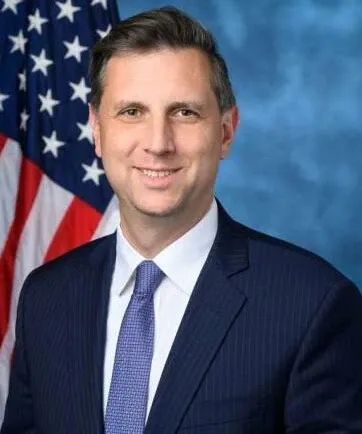
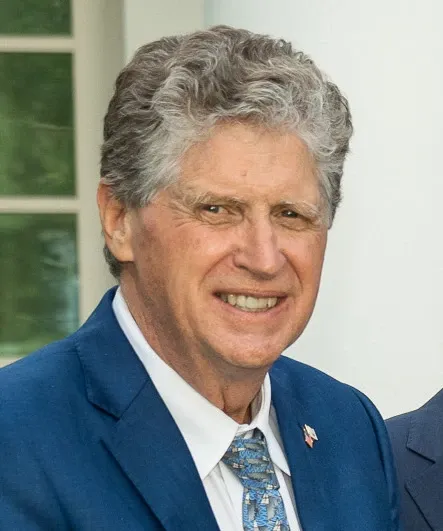
Jim Langevin
The Public Record
James R. Langevin is a former U.S. Representative from Rhode Island, serving from January 3, 2001, to January 15, 2022. A member of the Democratic Party, Langevin was the first quadriplegic to serve in the U.S. Congress, having been injured in a shooting accident at the age of 16. Throughout his tenure, he focused on issues such as cybersecurity, disability rights, and health care. Langevin served on several committees, including the House Armed Services Committee and the House Committee on Education and Labor.
Mar 9, 2009
Initiated a review of the Government's overall cybersecurity strategy and supporting activities.
Mar 9, 2009
The improvements be considered by the new administration as it begins to make decisions on our Nation's cybersecurity strategy.
Feb 3, 2009
I believe such outsourcing of defense contracts runs against both U.S. national security and economic interests, eroding our defense industrial base, costing jobs and stunting economic growth.
Feb 3, 2009
If you have ways to suggest that we could change that to make those reviews more effective, I know I would be open to hear those thoughts.
Jun 20, 2008
As I've said before, this legislation will only work if everyone involved follows the rules and remains within the confines of the law. Congress must continue to conduct robust oversight to make sure that the law is implemented as intended…
Apr 22, 2008
That's right. Using bulk purchasing power is the thing, by getting more people into one insurance pool, we spread risk around, and it achieves cost containment and stability in the system.
May 23, 2005
To me, being pro-life also means fighting for policies that will eliminate pain and suffering and help people enjoy longer, healthier lives. And to me, support for embryonic stem cell research is entirely consistent with that position.
Jul 16, 2003
The proper implementation of Project BioShield requires a reliable and comprehensive threat assessment from the information analysis team, a team that should include bioterror experts working closely with their peers at agencies like CDC…
Jul 16, 2002
Today we pay tribute to a true hero, Justin Dart, Jr. I am proud to join with my colleagues... Justin Dart's dogged, yet charismatic, skills of persuasion and unyielding dedication to implementing a meaningful civil rights law is what…
Politicians like Jim Langevin