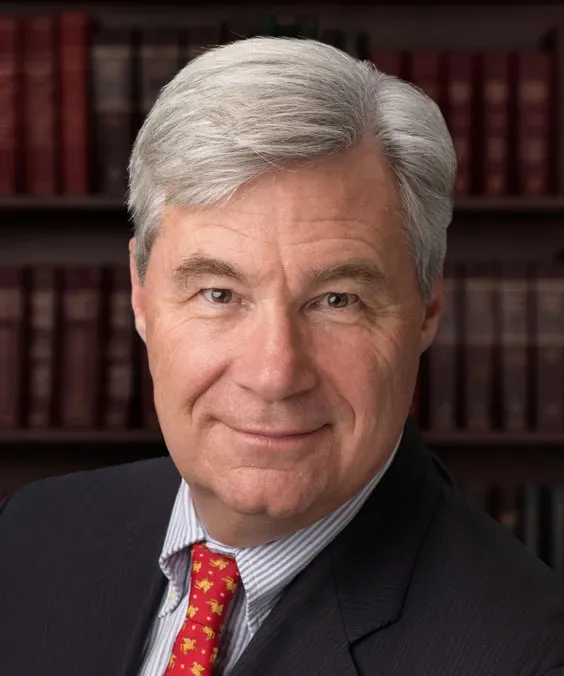
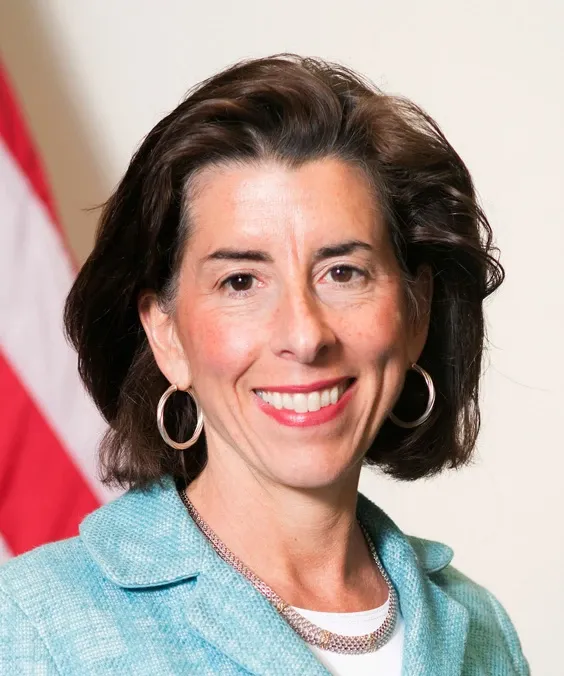
Jack Reed
The Public Record
Jack Francis Reed is a United States Senator from Rhode Island, serving since January 7, 1997. A member of the Democratic Party, Reed has been an influential figure in the Senate, particularly known for his work on the Armed Services Committee. Throughout his tenure, he has focused on issues such as national security, veterans' affairs, and economic development. Reed has also been involved in various legislative efforts aimed at improving education and healthcare access for Rhode Islanders.
Feb 11, 2010
too big to fail is the first chapter, but the second chapter is too interconnected to fail.
Feb 11, 2010
If we don't achieve it in the next several months, the bubbles that might be out there percolating... will once again catch us by surprise.
Feb 4, 2010
today I introduce the National Institute of Finance Act of 2010, which would create an Institute to provide our financial regulators with the data and analytic tools needed to prevent and contain future financial crises. By establishing…
Feb 3, 2010
On February 4, 2010 Sen. Jack Reed introduced S. 3005, 'The National Institute of Finance Act of 2010.'
Feb 3, 2010
You certainly need regulation. You need the right regulation. And you need a strong regulatory structure, but it is not in itself, I believe, sufficient.
Feb 3, 2010
the entire structure a 'doom loop' because it is a repeated cycle of boom, bust, bailout.
Feb 3, 2010
the 'too big to fail' is a form of implicit subsidy from the taxpayer, which lowers the cost of funding for these derivative transactions.
Feb 3, 2010
My honest belief, having experienced it and having lived with it for years, is that the system would be stronger if we could provide for some separation.
Feb 3, 2010
I think that over the years, I probably have thought more about interconnectedness and the plumbing of the financial system, as I like to call it, than most everybody.
Feb 3, 2010
I think that is the goal of many people on this Committee, maybe not everybody, but I think many people.
Feb 3, 2010
I believe that the nature, the human makeup of an institution is extremely important.
Feb 3, 2010
the taxpayer had to step in because there wasn't enough capital in the private sector to cover the risks
Feb 3, 2010
we sort of ganged together, papered it over, and went on having learned nothing
Feb 3, 2010
we allowed fundamental regulatory arbitrage to lead to a very difficult situation
Feb 3, 2010
I don't think they would be difficult to implement and I don't think it would be a regulatory issue. I think it would be a management issue.
Feb 3, 2010
I think that, again, the traditional roles that said a bank in a bank holding company has access to the discount window, that is where we should get back to.
Feb 3, 2010
I do not think many people at all have been held accountable for what is going on.
Feb 3, 2010
First, we can't assume regulatory capacity adequate to the complexity of the financial markets.
Feb 1, 2010
I want to thank you, General Ward. I also want to thank you for your service, because it's a long time since we taught together at West Point and I'm awfully proud of what you've accomplished for the military and for the Army.
Feb 1, 2010
Merida shouldn't just be a 1- or 2-year event, but it's a relationship over time.
Feb 1, 2010
I believe Senator McCain has asked the right question and I think the Navy should respond.
Politicians like Jack Reed