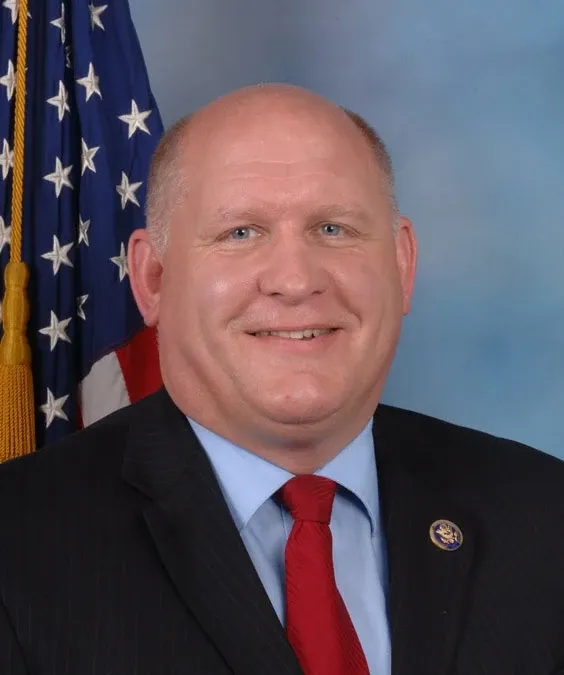
Joe Pitts
The Public Record
Joseph R. Pitts is a former Republican member of the U.S. House of Representatives, serving Pennsylvania's 16th congressional district from 1997 to 2017. During his tenure, Pitts was known for his focus on healthcare, energy, and family issues, often advocating for conservative policies. He played a significant role in various legislative efforts, including those related to the Affordable Care Act and energy independence. Pitts was also involved with the Pennsylvania Family Institute, reflecting his commitment to family values and social issues.
Mar 14, 2013
This law has been adopted by the Congress and signed by the President, it has been reaffirmed by the Supreme Court of the United States, and, more importantly, the people's votes in this last election reelected President Obama and…
Mar 14, 2013
During 2008 and the run up to passage of the Affordable Care Act (ACA) in March 2010, President Obama repeatedly promised the American people that their health care premiums would go down by an average of $2,500 before the end of his first…
Mar 14, 2013
We need to lower costs for young healthy adults, not force them to subsidize costs for the older and more established Americans who can better afford.
Mar 14, 2013
My home state of Pennsylvania can expect to see premiums in the individual market rise about 39 percent.
Mar 14, 2013
It is basic common sense that if you require individuals to buy a one-size fits all, government-mandated health plan that covers everything, rather than allowing individuals to pick the plan that best fits their needs, choice will be…
Mar 14, 2013
Making low-income and everyday Americans pay more for private health coverage is not health reform. It's making their life harder at a time when our fellow citizens face sluggish economic growth, slow job creation, and little disposable…
Mar 14, 2013
During the 2008 campaign and run-up to passage of The Affordable Care Act in March of 2010, President Obama repeatedly promised the American people that their healthcare premiums would go down by an average of $2,500 before the end of his…
Mar 12, 2013
The Affordable Care Act attempts to do is increase access to the millions of uninsured Americans while slowing the growth of health care.
Mar 12, 2013
Spiraling escalating cost and depreciating the quality of coverage might end.
Politicians like Joe Pitts