Sep 17, 2013
Will you recommend to the Interagency Methane Strategy Group... the importance of focusing on ways to increase the United States' use of waste energy?
The Public Record
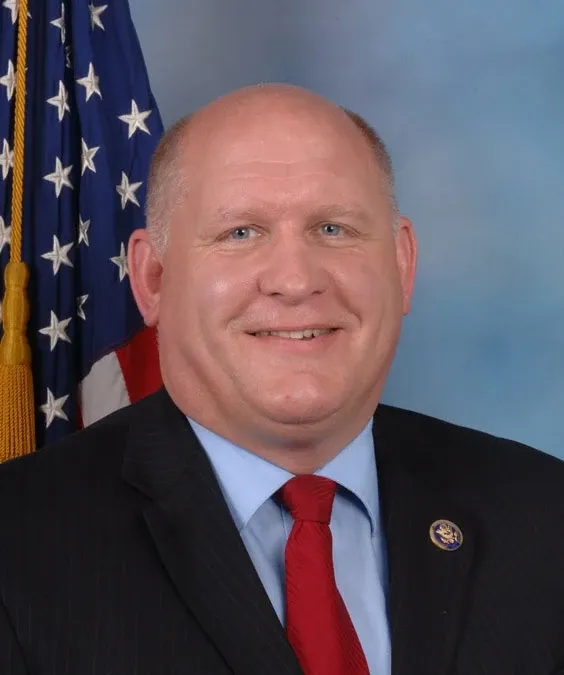
Joseph R. Pitts is a former Republican member of the U.S. House of Representatives, serving Pennsylvania's 16th congressional district from 1997 to 2017. During his tenure, Pitts was known for his focus on healthcare, energy, and family issues, often advocating for conservative policies. He played a significant role in various legislative efforts, including those related to the Affordable Care Act and energy independence. Pitts was also involved with the Pennsylvania Family Institute, reflecting his commitment to family values and social issues.
Will you recommend to the Interagency Methane Strategy Group... the importance of focusing on ways to increase the United States' use of waste energy?
Curbing emissions of methane is critical to our overall effort to address climate change.
Now, this administration shut down the Yucca Mountain program, and the issue that brings us here today, contrary to the Nuclear Waste Policy Act and stranding spent nuclear fuel indefinitely at plants across the country.
It is something which will help them to live a better quality of life and will improve medical care all across the board.
The law is the law, and ACA is the law of the land, and frankly, we should all be working together to ensure that implementation goes smoothly as possible.
The Affordable Care Act has already made the lives of millions of Pennsylvanians better, and if we get out of the way and let it work, this will open the door to stable, quality, affordable health care for 1.2 million of our uninsured…
I am disappointed that a number of States still have not chosen to expand Medicaid coverage.
My constituents are understandably confused about what is happening with the exchanges, enrollment, and premiums.
Dozens more have expressed shock at the staggering premium increases they that face in 2014.
A father from my district wrote me, distraught, about his daughter's work hours being cut to 28 hours a week.
She had only heard of 'isolated incidents' of the ACA having burdensome or negative impact on Americans.
Considering the administration's track record on deadlines and delays, reassurances from CMS officials are not comforting.
Can you tell us today that every contractor has met these targets and is on time?
Are you actually testifying in front of this committee that agencies will likely be giving exchange subsidy applicants incomplete information about their financial liability?
Can you commit to providing detailed information regarding the implementation of the cost-sharing subsidy program?
The lowest cost Silver plan in the individual market in 2014 will cost on average 18 percent less than the rate predicted by the Congressional Budget Office.
Over 120,000 of my constituents who currently don't have health insurance will be able to get that insurance without fear of discrimination or higher rates because of a preexisting condition.
Hundreds of thousands of my constituents with private insurance are saving money due to the ACA provisions that limit insurers' administrative overhead costs.
Almost 200,000 of my constituents now have health insurance that covers preventative service without copays.
The lowest cost Silver plans are on average 18 percent less than the status quo.
The average premium that small employers will pay is again 18 percent lower than the same plan would cost absent the Affordable Care Act.
My constituents want to know what to expect over the next couple of months and want assurances that only those individuals who are eligible for subsidies will be receiving them.
How can we believe that provisions deemed inconvenient by the administration, such as verifying that someone is actually eligible for a taxpayer-funded subsidy, won't be labeled as too complex to administer and simply be ignored?
Politicians like Joe Pitts