A year and a half ago, Mr. Speaker, a number of us started what we call Iraq Watch. We began to come to this floor once a week to talk about Iraq, to talk about the problems that we saw with our policy there, to ask questions and to suggest changes in our national policy. Now, a year and a half later, like the gentleman from Illinois (Mr. Crane), I will be leaving this House, and yet the questions regarding our policy in Iraq remain. Things have changed in Iraq over the last year and a half, but some of the fundamental problems that were apparent at the beginning of our involvement remain today and plague us today and challenge our best national interest today.
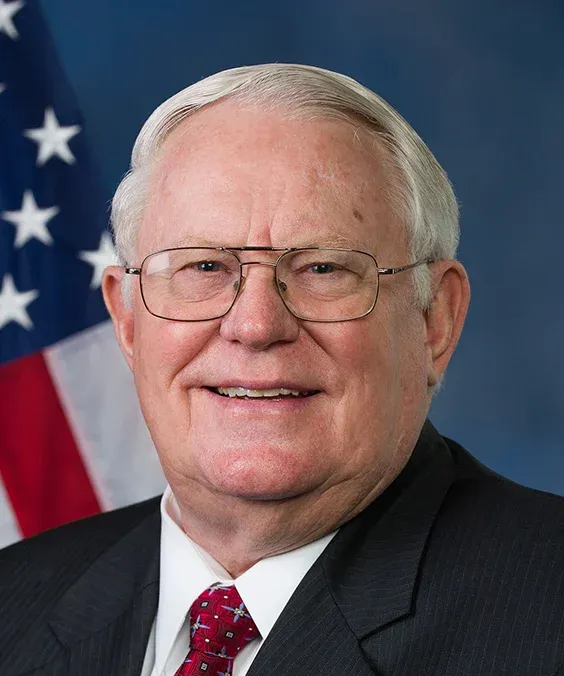
Hon. Joseph M. Hoeffel: “A year and a half ago, Mr. Speaker, a number of us started what we call Iraq Watch. We began to come to this floor once…”
Editor's note · Context
Discussing the ongoing issues with U.S. policy in Iraq during a speech on the House floor.
Share
More from Hon. Joseph M. Hoeffel
But, Mr. Speaker, I must tell my colleague that not everybody was being conned. The CIA saw through Chalabi, the State Department saw through Chalabi, and yet the civilian leadership of the Pentagon did not.
Before we get too carried away with Chalabi, let me just make the point that is in the Roll Call article. There were three others doing this. One of them is the favorite of the CIA to be the new Iraqi leader and a third the favorite of the…
Do not forget that the President sat Mr. Chalabi right behind Mrs. Bush in this year's State of the Union address, right up there in that balcony 4 rac{1}{2} months ago. There he sat in all his double-chinned glory, Ahmad Chalabi, directly…
If we just focus on the prison scandal for a minute and see the failures of leadership there... we cannot stay the course in Iraq. We have to change the course in Iraq.