Sep 11, 2017
Price increases happen because the providers of these pharmaceutical products have the power to do so because taxpayers foot the bill.
The Public Record
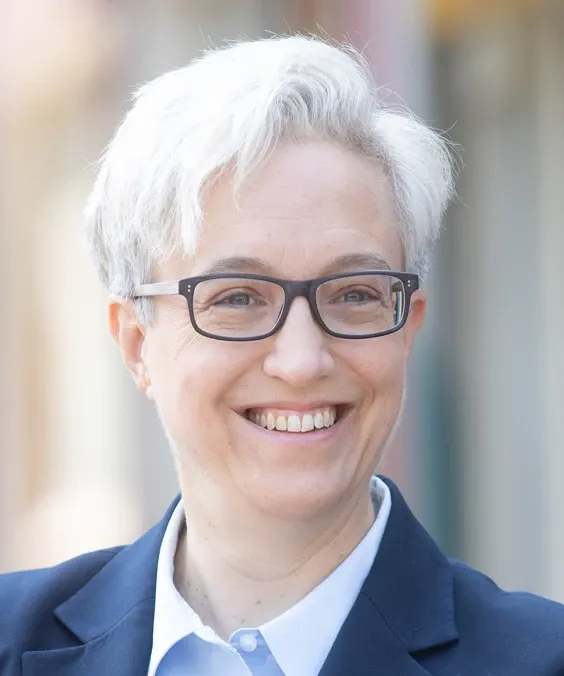
Ron Wyden is an American politician serving as the senior United States senator from Oregon, a position he has held since 1996. A member of the Democratic Party, Wyden has been a prominent advocate for civil liberties, healthcare reform, and technology policy. Throughout his tenure, he has focused on issues such as privacy rights, government surveillance, and access to healthcare, often emphasizing the importance of transparency and accountability in government actions.
Price increases happen because the providers of these pharmaceutical products have the power to do so because taxpayers foot the bill.
I am very concerned about the possibility that some may be using the concept of flexibility to roll back consumer protection.
The President has for months and months poured gasoline on the fires of uncertainty in the private insurance marketplace.
The more this committee and the Senate can do to make biotechnology drugs more reflective of the competitive principles embodied in Hatch-Waxman, I think that will make the biggest difference in drug prices.
Choice and competition are essential to bringing down costs, and we ought to prioritize moving the needle on increasing choice and competition in the marketplace.
BCBSA commends Chairman Hatch, Ranking Member Wyden, and other members of the Senate Finance Committee for holding this important hearing on issues impacting health-care cost and coverage.
The Trump administration has taken multiple steps to undercut the Affordable Care Act by impeding outreach and enrollment efforts.
I have introduced legislation to pull back the curtain on the broken drug-pricing system that burdens the country.
I want to put this in the context of the 320 million people who live in our country.
We thank Chairman Hatch and Ranking Member Wyden for working together, in a bipartisan fashion, on legislation to ensure the continuation of CHIP funding for the long term.
CHIP has reduced the number of uninsured children by more than 50% while improving health outcomes and access to care.
The last thing she needs is a government letter stamped 'NOTICE OF TERMINATION' explaining that her sick kids are on their own because CHIP's funding has run out.
We recognized that tooth decay is the number one disease affecting children in this country, and it is preventable.
We either get there for kids like Caleb and ensure that they can afford medications...
There is no conceivable, possible way that the State of Maryland can fill the gap under the CHIP program if it is not reauthorized in a timely way.
Okay. Well said. You are talking about people getting a signal in a couple of weeks. And if Congress plays stall ball on this, there are going to be real consequences.
Without congressional action to extend CHIP beyond September 30th, states will soon exhaust their CHIP funds.
We greatly appreciate the joint statement by Chairman Hatch and Ranking Member Wyden, released on the 20th anniversary of the program.
We urge Congress to support and pass this legislation, S. 1827, the Keep Kids Insurance Dependable and Secure Act of 2017.
So we have made tremendous advancements in dealing with pediatric dental care as a result of coverage within the Children's Health Insurance Program.
Your message--and that is particularly helpful--is that anybody who thinks they can wait around until December 15th to get serious about this----
I just kept looking at Caleb's medications, and I cannot figure out how you would be able to pick those up without some magical approach that we have not talked about.
Politicians like Ron Wyden