Jun 3, 2010
The legacy of its contribution to our economy and to rural jobs is incredible.
The Public Record
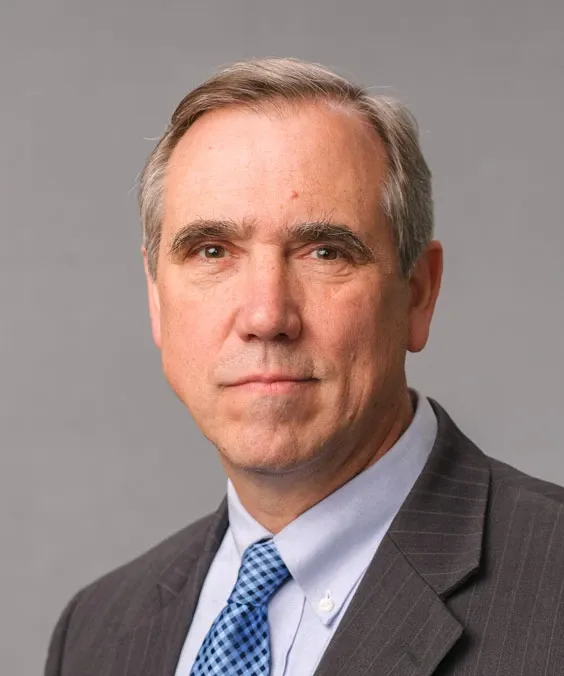
Ron Wyden is an American politician serving as the senior United States senator from Oregon, a position he has held since 1996. A member of the Democratic Party, Wyden has been a prominent advocate for civil liberties, healthcare reform, and technology policy. Throughout his tenure, he has focused on issues such as privacy rights, government surveillance, and access to healthcare, often emphasizing the importance of transparency and accountability in government actions.
The legacy of its contribution to our economy and to rural jobs is incredible.
I think it's fair to say you all have been a critical partner in the management of Federal lands.
It's clear when you look at forestry policy, it would be wonderful to be able to just step back and write one bill that would recreate the system so that it worked in every nook and cranny of the land.
My view is, we've got a lot to work with, because of the supportive coalition that has come together for this legislation.
Gentlemen, I don't have any other questions for either of you. Obviously, we'll hold the record open.
It's one of the reasons why we so wanted you here, because going over to Lakeview and seeing what you've done. I mean, it is a really heroic effort, and I'm very appreciative of your involvement here.
I sure wouldn't see the country's premier timber industry groups going to press conferences for bills that are going to produce more litigation.
I obviously am very, very sympathetic to the kind of economic hurt that folks are going through in Grant County.
My own view is, unless there are fundamental changes, economic and environmental dangers that result from the lack of attention to these issues is going to grow in the years ahead.
We made the case that this country could have both national security and energy security.
I want to thank Ron for bringing the U.S. Senate Subcommittee on Public Lands and Forests to the heart of the area affected by this legislation.
But the regional manager from Boise Cascade sat 6 inches from where you sit, on the last panel, and said he supports the bill.
It's time now to protect the last of eastern Oregon's old-growth with the approach laid out in Senator Wyden's bill.
It is a greener future that is going to feature collaboration with a lot of folks.
I think the key has been to bring the communities together to have the conversations.
We need you to ensure Congress appropriates the $50 million authorized in this bill
With each passing month, this group recognized that the failure to address the needs of Oregon's increasingly unhealthy forest meant that they grow more and more at risk.
We'll definitely follow up with you. My concern would be to just do it in one county...
I share your view, as we've talked about, that funding is absolutely key to all this.
I want to be very sensitive to the point of making sure that we get the advisory functions of this bill right.
This is the way you ought to try to move forward on major issues, where folks are working together.
Politicians like Ron Wyden