Jan 20, 2016
Congress ought to be looking for ways to strengthen CO-OPs and stoke private competition in insurance marketplaces nationwide.
The Public Record
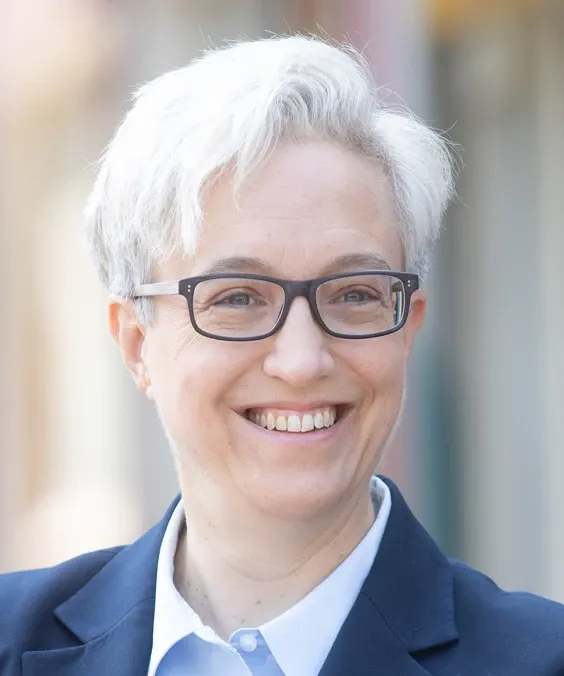
Ron Wyden is an American politician serving as the senior United States senator from Oregon, a position he has held since 1996. A member of the Democratic Party, Wyden has been a prominent advocate for civil liberties, healthcare reform, and technology policy. Throughout his tenure, he has focused on issues such as privacy rights, government surveillance, and access to healthcare, often emphasizing the importance of transparency and accountability in government actions.
Congress ought to be looking for ways to strengthen CO-OPs and stoke private competition in insurance marketplaces nationwide.
Those who have been critical of the Affordable Care Act spend hour after hour after hour talking about the problems, and what we have to do now is find a way to get some solutions.
I am very pleased that Chairman Hatch, with the help of Senator Isakson and Senator Warner--and I have joined in on these efforts--has begun a serious effort to address what I think is also a big part of the future of Medicare, and that is…
I am very hopeful that Mr. Slavitt's nomination can be moved as quickly as possible.
What we ought to do is get on with the bipartisan challenges that our country needs to attack to improve health care.
It fell victim to this totally avoidable financial crunch and announced last October that it was closing, due, in large part, to the inability of the Congress to set politics aside and work together on a bipartisan basis to improve the law.
Even though the Supreme Court has upheld the Affordable Care Act multiple times, the political battles have continued, and CO-OPs are one of the big targets.
Congress denied the ability to move resources that would help new CO-OPs weathering growing pains to continue serving consumers.
The United States is not going back to the dark days when health care was reserved for the healthy and the wealthy.
Democrats and Republicans should come together to fix it, and I've been proud to work with Chairman Hatch and Senators Isakson and Warner.
That tells me that there is big demand for CO-OPs, and lawmakers should be focused on making sure CO-OPs provide the services that consumers require.
Even though the Supreme Court has upheld the ACA multiple times, the political battles have continued, and CO-OPs are one of the big targets.
I indicated in my opening statement that I think part of this is the debate about startups generally, startups in America.
I want to thank Senator Grassley for his efforts in that regard, because that is how I think we ought to be working.
More than 1 million people turned to CO-OPs for insurance in 2015, including many very vulnerable Americans who needed access to top-notch care.
As they say in New Zealand, ``He tangeta, he tangeta, he tangeta,'' which translated from the Maori language roughly means, ``people are the most important thing.'' ____________________
My friend Chairman Hatch and I rise today to offer our sincere gratitude to Ambassador Michael Moore of New Zealand who is returning to his home country after more than 5 years here in Washington and a long, successful career as a beloved…
We are concerned that the European Commission's broad new assertion of authority in tax matters... would undermine our ability to rely on our treaties with member states.
I want to commend you because I know in a very, very difficult forum you have been trying to represent American interests.
I think a broader point is, we have also made it clear that the retroactive element of these cases--because it seems clear to me as an observer that the theories being put forth here surprised countries, companies, advisers, auditors.
I think Senators on both sides of the aisle want to move forward on this, and the sooner we get to it, the better.
The Pfizer move is clear proof of what everybody in this room knows, and that is that the American tax code is a broken, dysfunctional mess.
Politicians like Ron Wyden