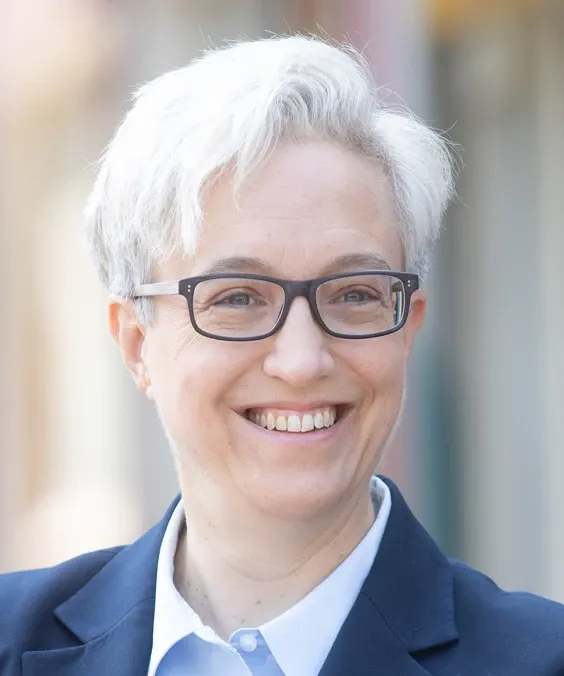
Peter DeFazio
The Public Record
Peter DeFazio is a former U.S. Representative from Oregon, serving in the House from 1987 until 2022. A member of the Democratic Party, he was known for his progressive stance on various issues, including transportation, infrastructure, and environmental policy. DeFazio played a significant role in shaping legislation related to transportation funding and was a strong advocate for public transit and sustainable practices.
Mar 6, 2019
It is important to remember that in the days before enactment of the Clean Water Act, our nation's waters were so polluted that they typically were unsafe for swimming, were unable to support life, or they literally caught fire.
Mar 5, 2019
It would be a cruel irony, however, if the next action taken by this administration is to waive the Jones Act and simultaneously eliminate future job opportunities for those very same veterans and separating active duty service members.
Mar 5, 2019
Let me be clear: under current law, the only way the Jones Act can be waived is when such a waiver is determined to be 'in the interest of national defense', period.
Mar 5, 2019
I think, is great. And--but it would be ironic if there wasn't a merchant marine for them to move to.
Mar 5, 2019
The myth that Puerto Rico pays a premium for its freight service from Jacksonville and elsewhere, is pushing for future exemptions under the Jones Act
Feb 25, 2019
It is our hope that any infrastructure legislation advanced in this Congress will empower the federal government, states, and localities to accelerate the transition to electrified transportation.
Feb 25, 2019
We further encourage you to ensure that climate change and its effects, like sea level rise and severe storm events, are being adequately considered during transportation project planning and environmental reviews.
Feb 25, 2019
And I am happy to report, largely because of the work of my colleague, Garret Graves, that they are now going to do that diversion.
Feb 25, 2019
Public dollars will need to be deployed in a strategic and cost-effective manner to lessen the damage from flooding, fires, extreme heat, and storm surges.
Feb 25, 2019
Another market-based policy is funding roads through a tax on vehicle miles traveled (VMT), as has been supported by Chairman DeFazio and ranking member Graves.
Feb 25, 2019
I believe our best chance of mitigating further damage and creating sustainable, resilient infrastructure is to look for areas of common ground.
Feb 25, 2019
I suspect many on both sides of the aisle will want to spar over the Green New Deal.
Feb 25, 2019
I urge every member of this committee to approach today's hearing with an open mind and a willingness to listen and learn.
Feb 25, 2019
NextGen's Performance-Based Navigation procedures and Terminal Flight Data Manager deployment will modernize air traffic control to allow carriers to fly more directly and precisely, reduce aircraft fuel burn and improve the sustainability…
Feb 25, 2019
Several of the 1,450 suppliers in Washington state are working on cutting-edge technologies to make U.S. aviation more efficient and environmentally-sound.
Feb 25, 2019
As chair of the Aviation Subcommittee, I recognize the role aviation and aerospace can play in efforts to mitigate the effects of climate change.
Feb 25, 2019
To improve the federal government's role in these local projects, I joined Reps. Cicilline, Young and Davis to introduce the IMAGINE Act.
Feb 25, 2019
Federal infrastructure and climate policy must advance equity and social justice.
Feb 12, 2019
I support and have cosponsored, to make sure the FAA is funded during a government shutdown.
Feb 12, 2019
It is vital that the FAA be able to function without interruption to ensure the safety of our air system.
Feb 12, 2019
We are especially grateful to Transportation and Infrastructure Committee Chairman DeFazio and Aviation Subcommittee Chairman Larsen for introducing H.R. 1108.
Feb 12, 2019
We thank Chairman DeFazio and Aviation Subcommittee Chairman Larsen for their leadership in introducing H.R. 1108.
Politicians like Peter DeFazio