Jul 28, 2021
The federal government was called upon to maintain a national-scale response to this crisis for an unprecedented period of time.
The Public Record
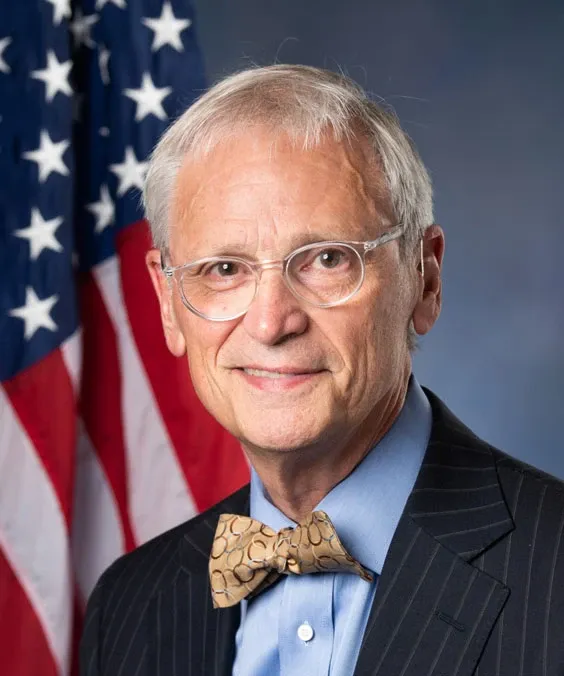
Peter DeFazio is a former U.S. Representative from Oregon, serving in the House from 1987 until 2022. A member of the Democratic Party, he was known for his progressive stance on various issues, including transportation, infrastructure, and environmental policy. DeFazio played a significant role in shaping legislation related to transportation funding and was a strong advocate for public transit and sustainable practices.
The federal government was called upon to maintain a national-scale response to this crisis for an unprecedented period of time.
The COVID-19 pandemic has had devastating public health consequences for our nation and the world.
In July, we held the first part of this hearing examining oversight of the government's response to the COVID-19 pandemic.
We owe our strongest thanks to Chairman DeFazio for the creation of the program and for his steadfast support through each iteration.
Today we will hear about the impact the government's COVID-19 relief funding has had on the transportation sector and its workers, and the challenges in overseeing the government's response efforts and ensuring that these federal funds are…
While I believe the COVID-19 relief funding was absolutely critical in addressing the dire economic situation and public health catastrophe, I also commend the oversight community for identifying problems, highlighting cases of ineffective…
I look forward to hearing from our Government witnesses about how to increase transparency on this front, hopefully retrospectively, but certainly in the future.
Unfortunately, this program was not funded in the February COVID relief package, and no funds are requested in MARAD's Fiscal Year 2022 budget.
I hope our former House colleague and now FMC Chairman, Dan Maffei, can give us an update on any recommendations which may come out of Fact Finding #29.
I am particularly concerned that the Coast Guard is failing to take advantage of the one-time opportunities to purchase an additional National Security Cutter and up to six additional Fast Response Cutters before those production lines go…
To Admiral Schultz, you used some language saying there would be targeted investments in the shoreside facilities, but with this $2 billion backlog and a reduction of 23 percent in this year's budget, how much are you going to be able to…
I am concerned that the growing backlog of shoreside infrastructure, including housing and childcare facilities, is being neglected.
We need to meet the needs of the Nation, and the jerks at OMB shouldn't be calling the shots.
The industry is supposed to continue full and increased operations throughout the pandemic but get no help.
I am pretty disappointed in the request from the President that we don't have money for the Port Infrastructure Development Program proposed in this year's budget.
You are going to have trouble recruiting and retaining a workforce, a great workforce, a diverse workforce that is qualified, if you aren't providing for those sorts of basic needs.
I am disappointed. I know it's because of the trolls at OMB that the Coast Guard has only requested a 0.3-percent increase in their overall budget.
Last year, Congress enacted the Maritime Transportation System Emergency Relief Program. The U.S. maritime industry estimates it needs $3.5 billion under the program to offset unanticipated COVID-related expenses.
I hope the Federal Maritime Commission Chairman Dan Maffei can update us on the status of Fact Finding No. 29 and provide any recommendations for minimizing supply chain disruptions that may flow from that fact finding.
I will work to see that the Congress steps in yet again to reverse the budget request's harmful impact on the Coast Guard's acquisition budget and, in turn, the Service's future mission capabilities.
Kids who are growing up in socioeconomically disadvantaged families--of all races and ethnicities--also face an undeniable financial barrier.
More than 13 percent of the U.S. population is Black. Yet only 3.4 percent of commercial pilots are Black.
More than half of the U.S. population--50.8 percent--is female, according to the latest Census data.
Politicians like Peter DeFazio