Dec 7, 2021
This historic level of funding will directly help communities--large and small--address the backlog of wastewater infrastructure upgrades.
The Public Record
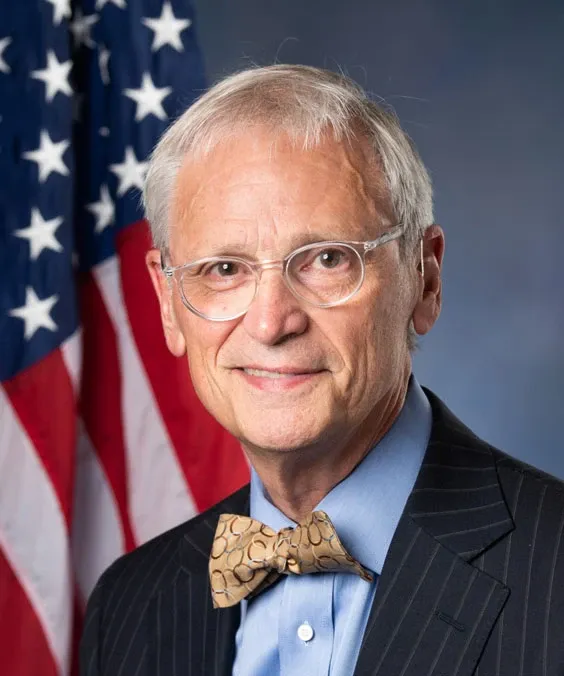
Peter DeFazio is a former U.S. Representative from Oregon, serving in the House from 1987 until 2022. A member of the Democratic Party, he was known for his progressive stance on various issues, including transportation, infrastructure, and environmental policy. DeFazio played a significant role in shaping legislation related to transportation funding and was a strong advocate for public transit and sustainable practices.
This historic level of funding will directly help communities--large and small--address the backlog of wastewater infrastructure upgrades.
The bipartisan Jobs Act provides once-in-a-lifetime investment that will modernize our roads, bridges, rail, transit, ports, and airports.
I am proud of this committee's hard work in pulling together the single largest infrastructure investment in our nation's history.
The bill also provides $12.7 billion--B, billion--in new wastewater infrastructure funding over 5 years for States and municipalities.
Thanks for calling this hearing to highlight just some of the critical investments in the Infrastructure Investment and Jobs Act.
We cannot just reset our dominoes--we need to stop the chain reaction before it even begins.
We've been dependent on materials made in other countries for far too long, and I think it's important that we use this as an opportunity to invest in our economy, supply chains, and workforce, so we can lower costs for working folks and…
Informed policymaking is critical. We encourage all members of the Committee to visit a trucking company back in their home districts.
Solutions cut from white boards in graduate school lecture halls will fall woefully short of rising to the challenge of this current moment.
We see the recently-passed H.R.4996 as a strong example of how government and private sector can work together to correct supply chain challenges.
I think that comparatively lower international labor costs, comparatively looser international environmental regulations, and different countries' customs/tariffs policies will all almost always continue to incentivize more globalized…
As our nation's largest technology trade association, the Consumer Technology Association (CTA) agrees we need robust and resilient supply chains.
Class I railroads want to eliminate human track inspectors and replace them with an unproven approach to track inspection--risking derailments and the safety of railroad workers and the public.
Thank you for your leadership in holding today's hearing, 'Industry and Labor Perspectives: A Further Look at North American Supply Chain Challenges.'
We thank President Biden and Vice President Harris for their leadership, Chairman DeFazio for his unceasing commitment to a revolutionary modernization of our nation's infrastructure.
The freight network requires continued investment in capital, private and public, and a skilled workforce that is adequately compensated with reasonable working conditions.
Hopefully, this hearing will move beyond political partisan talking points, and begin to identify and work on real solutions, real long-term solutions.
If we expect the Coast Guard to stand ready through an uncertain future with unprecedented threats, it is vital that we invest in infrastructure.
Well, this is interesting. This so much echoes the Harbor Maintenance Trust Fund, where we were collecting an ad valorem tax, depositing it in a fund program created by Ronald Reagan, and Congress underspent that money for years.
Politicians like Peter DeFazio