May 2, 2017
I greatly, greatly appreciate the work that you all are doing and to help us understand how the United States can be the best possible partner with the rest of the world in addressing these complex and difficult and important issues…
The Public Record
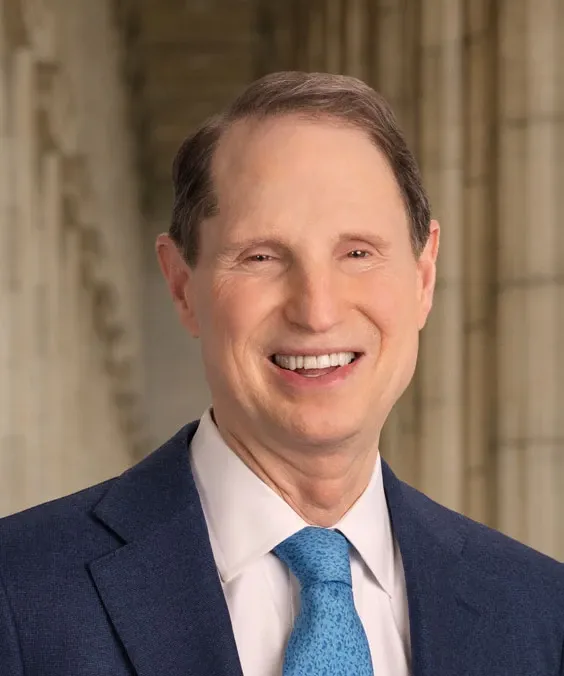
Jeff Alan Merkley is an American politician serving as the junior United States senator from Oregon since January 6, 2009. A member of the Democratic Party, Merkley has focused on issues such as healthcare, climate change, and economic inequality throughout his tenure. He has been an advocate for progressive policies and has worked to address the challenges facing working families in Oregon and across the nation. Merkley is known for his commitment to transparency and accountability in government, often speaking out against perceived injustices and advocating for reforms.
I greatly, greatly appreciate the work that you all are doing and to help us understand how the United States can be the best possible partner with the rest of the world in addressing these complex and difficult and important issues…
Quite challenging. And I think your short answers reflect the complexity of the situation on the ground in different locations and the combination of politics, greed, warfare, all mixing together.
I know that there is an amendment or a bill being circulated that basically makes military aid to Saudi Arabia contingent upon Saudi Arabia cooperating to open the ports in Yemen.
This is again a disaster happening in four places. It is northeast Nigeria. It is Yemen. It is Somalia, and it is South Sudan.
We are urging the international community to respond on behalf of the 80 million people across all these countries.
So I am going to just make one point here going back to the pilots before I turn this back over to the chair.
So we have seen a lot of private fortunes through the Internet companies, social media companies, kind of that whole set of worlds where you create an app, and 6 months later, you are a multi-millionaire.
So this has been a topic of conversation I guess in the Appropriations Committee...
I noticed the additional paragraph that we had proposed, again, that I thought had been included...
We have 15 government agencies doing different forms of development. That is crazy.
We need to recognize if we are going to do some sort of reorganization, understand one of the principles is that development is a full-on profession.
If we are not going to be there for them, they are going to take their business to China.
I believe the current language in the law is that AID will be set up as an entity.
So let us continue the conversation beyond this hearing as we have the coming appropriations period.
I want to turn to a different question. As I came in, I believe that, Mr. Worthington, you were talking about the vetting issue.
So I am imaging when you are talking about this, you are talking about a bank that says we have to know more about the recipient before we are willing to make the transfer.
So when you are talking about the diaspora community, you are talking about remittances.
How much of that is U.S. requirements versus foreign government requirements?
In an environment where there is potentially less foreign assistance money, there is going to be an additional incentive to find other partners to leverage money with.
Politicians like Jeff Merkley