May 25, 2021
I think that is something very important for the Senate to take a look at, a disaster supplemental to address that devastating destruction and the backlog of unfunded restoration projects.
The Public Record
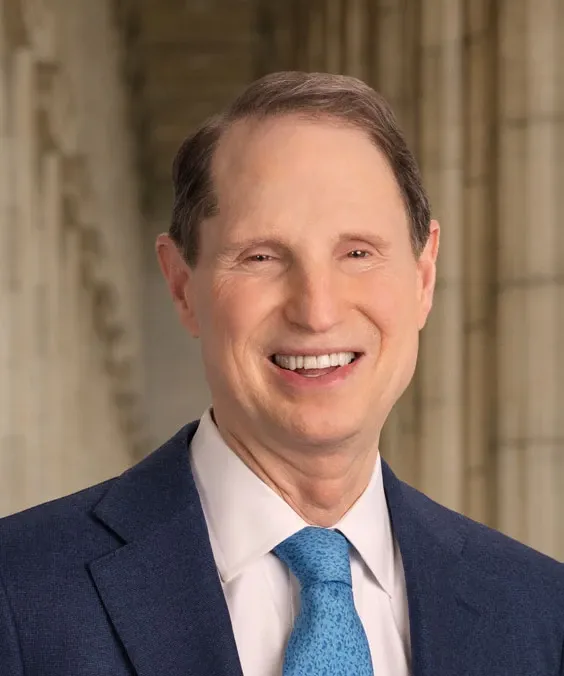
Jeff Alan Merkley is an American politician serving as the junior United States senator from Oregon since January 6, 2009. A member of the Democratic Party, Merkley has focused on issues such as healthcare, climate change, and economic inequality throughout his tenure. He has been an advocate for progressive policies and has worked to address the challenges facing working families in Oregon and across the nation. Merkley is known for his commitment to transparency and accountability in government, often speaking out against perceived injustices and advocating for reforms.
I think that is something very important for the Senate to take a look at, a disaster supplemental to address that devastating destruction and the backlog of unfunded restoration projects.
We have had a challenge in which the Forest Service has not been completely transparent about its contracting process.
The Civilian Conservation Corps, the Job Corps mission, ties into the President's plan for $10 billion investment in a civilian climate corps.
What does it take to get these projects that have already cleared the environmental controls underway?
I think understanding the scope of the challenge is essential for us to act appropriately.
I want to emphasize is the possibility of having firefighters become year round crews where they turn from firefighting to forest restoration.
We cannot fail to end fire borrowing and let that return to be the norm in fiscal year 2022.
Can you make sure we get that by the end of this month, a few days from now?
The Roadless Rule has been the single largest impediment to economic access in Southeast because it affects all sectors of the economy, including mining, renewable energy, and recreation and tourism.
I really look forward to working with the subcommittee and with you all to see this vision move to reality of the new Civilian Climate Corps.
I am disappointed that rather than building on all of the good work done over the past few years to evaluate the impact of the roadless rule on the Tongass and the Tongass dependent communities, that the administration has kind of hit the…
It is clear from the science that we need to restore our forests because they play a significant role in curing the climate crisis.
I look at this as, one, the world needs to come together in this from a humanitarian, from a moral perspective.
Whether or not we pass this bill is a huge pivot point for the direction of America.
If we fail to protect the election process, then we have failed to defend the core foundation for the vision of government of by and for the people.
We want to stop gerrymandering, which corrupts the vision of equal representation. We want to stop billionaires from buying elections, and we want to defend the freedom and right of every citizen to be able to vote.
It is designed to keep the voter fraud argument going both to change the laws in the states and to stop this bill in the Senate.
Politicians like Jeff Merkley