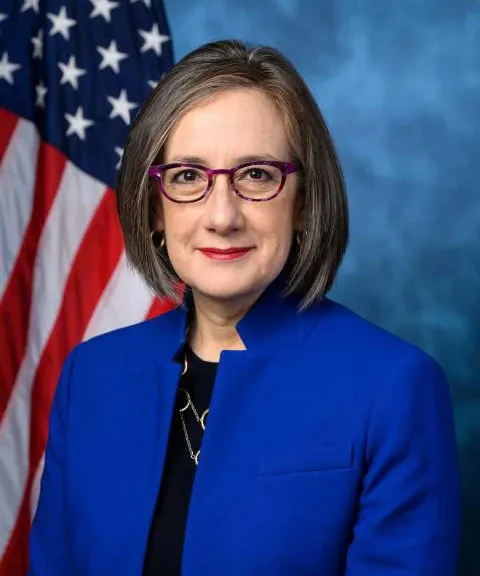
I would say to my colleague from Illinois that, indeed, these are key milestones where the journey is to restore the functionality of this Senate so it can take on the significant issues Americans expect us to take on. The path forward is…
Jeff Merkley
The Public Record
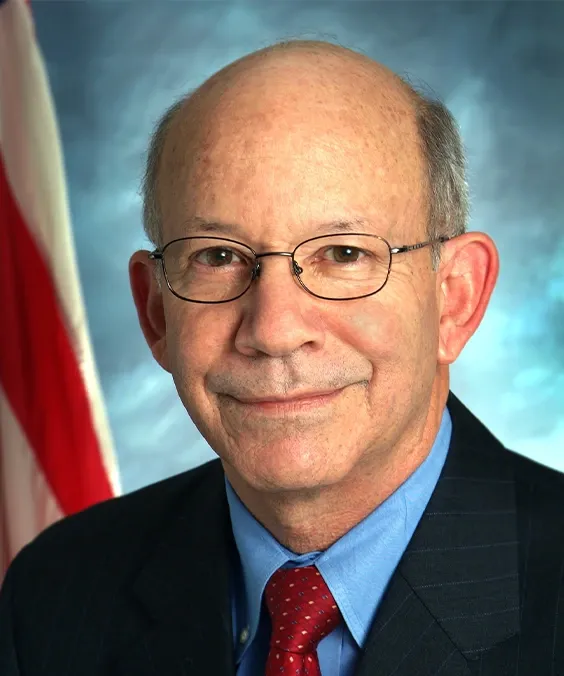
Jeff Alan Merkley is an American politician serving as the junior United States senator from Oregon since January 6, 2009. A member of the Democratic Party, Merkley has focused on issues such as healthcare, climate change, and economic inequality throughout his tenure. He has been an advocate for progressive policies and has worked to address the challenges facing working families in Oregon and across the nation. Merkley is known for his commitment to transparency and accountability in government, often speaking out against perceived injustices and advocating for reforms.
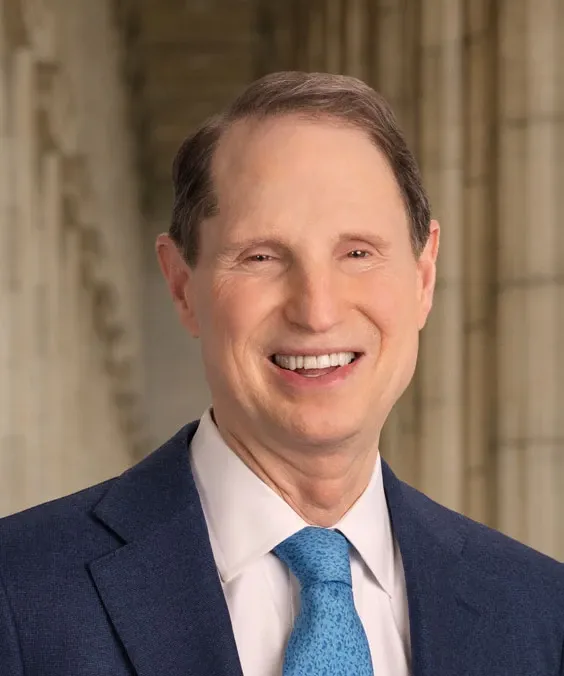
I appreciate my colleague from Illinois emphasizing the important role of bipartisanship in making this Chamber work. His question gave me an opportunity to talk about what has just transpired as an important victory--an important victory…
I ask unanimous consent that the order for the quorum call be rescinded. The ACTING PRESIDENT pro tempore. Without objection, it is so ordered. Senate Rules
Are there any rules currently on how long one may speak? The PRESIDING OFFICER. Senators may speak for up to 10 minutes each.
I have been listening carefully to the debate that has been taking place here on the floor, and the esteemed minority leader had a couple of phrases that he used any number of times. One of those was that this debate is about whether to…
I will be happy to do that. I have that in front of me. Let's start on December 11, 1985: The Senate allows a conference report on the basis that everything included is ``relevant,'' even though multiple provisions have been ruled to…
this morning a significant debate began on the floor of the Senate as to how to make the Senate function within the framework of the Constitution and within the norms and traditions of the Senate. Indeed, the Constitution envisioned three…
I ask unanimous consent that my intern, Chris Riegg, be granted privileges of the floor for the balance of the day. The ACTING PRESIDENT pro tempore. Without objection, it is so ordered. ____________________
We indeed in this case are talking about an agency that will protect our families from predatory financial practices. We all know what those are. They are hidden charges on prepaid credit cards. They are exploding interest rates on…
I ask unanimous consent to speak for an additional 10 minutes. The ACTING PRESIDENT pro tempore. Without objection, it is so ordered.
I ask unanimous consent to speak for 1 more minute. The PRESIDING OFFICER. Without objection, it is so ordered.
I have in my hands a document entitled ``The Senate's Power to Make Procedural Rules by Majority Vote,'' and this lays out a whole host of viewpoints expressed in 2005 that I think would be interesting reading for my colleagues across the…
I have in front of me the list of the number of times the application of a rule was changed from the precedent. It was done each time under a simple majority structure, and it was done 10 times since 1985. I pointed out earlier--I am not…
Yes. I can assure my colleague that each and every one of these involved an actual vote, and each and every one of these 10 occasions did reverse the previous precedent. That happens in two fashions.
I ask unanimous consent that the order for the quorum call be rescinded. The PRESIDING OFFICER (Mr. King). Without objection, it is so ordered.
I will get the Senator a personal copy. There being no objection, the material was ordered to be printed in the Record, as follows: September 25, 1986: The Senate establishes that procedural motions or requests do not constitute speeches…
I thank my colleagues from Connecticut and Maryland and Rhode Island who are down here sharing their stories and their concerns about carbon pollution and its impact on climate around the world. Indeed, it was just last October that I was…
the strategy of voter suppression has been used against blacks, Latinos, elderly, the poor, immigrants.
Does the system in general, as we have described it here, create extra hurdles for those who come to the education marketplace with poor assets?
Is it fair to say someone from a background where they have less wealth, less assets, is more likely to pay the 9 percent than the 3 percent and, therefore, pay a much higher price for their education?
if you come from a background in which you have less wealth, you are going to pay a higher price.
There could be a path that was better for irrigators, better for the river, better for the fish, better for the tribes.