Nov 12, 2013
Unlicensed wireless technologies have become an indispensable part of our information infrastructure in America.
The Public Record
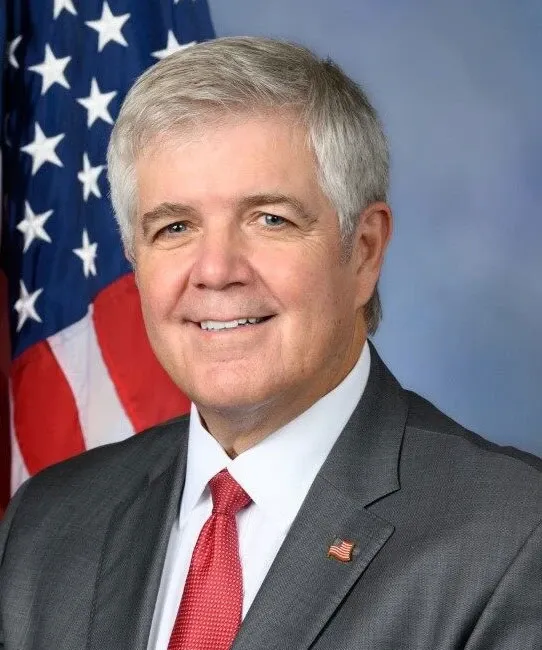
Greg Walden is a former U.S. Representative from Oregon, serving in the House from 1999 to 2021. A member of the Republican Party, he represented Oregon's 2nd congressional district. During his tenure, Walden was known for his work on issues related to healthcare, telecommunications, and energy policy. He played a significant role in the passage of the 21st Century Cures Act, which aimed to accelerate medical product development and bring new innovations to patients more quickly.
Unlicensed wireless technologies have become an indispensable part of our information infrastructure in America.
The fact is that the rollout of healthcare.gov has been a failure at every turn.
But you set up what those market rules looked like they have to comply with, correct?
We all heard that to mean, I've got a plan with a company, I'll continue to have it even if they make minor changes.
I'm just an average guy from a small town in Oregon. When I read that, it tells me you believed everything was good to go.
It is time to take a hard look at the role of regulation in the modern wired communications network marketplace.
I do question now whether we need the Title 2 protections of the CLECs that we put in place back in 1996.
We look forward to working with Chairman Walden, Ranking Member Eshoo, Congressman Scalise, and the entire subcommittee.
The only way we can act in the best interest of consumers is in a way that prevents the government from picking winners and losers and it is when we start getting serious about a free-market solution.
I also want to commend Ranking Member Eshoo for recently putting her own reform ideas on the table with the release of the Video Choice Act.
I applaud you for successfully moving this subcommittee beyond an initial information-gathering and educational phase on these very technical and complex issues onto a strong position upon which the subcommittee can act in the coming…
Specifically, my discussion draft would give the FCC explicit statutory authority to prevent broadcast television blackouts;
You should be compensated for your content, network investments or intellectual property.
In a world where video technology is rapidly changing, are the laws keeping pace and fostering a free market?
The Telecommunications Act of 1996 is old enough to get its driver's license, the Cable Act is old enough to drink alcohol legally.
If we are going to ensure more competitive mobile services marketplace, the Commission must ensure that all carriers have the opportunity to acquire high quality spectrum.
A successful broadcast incentive auction has the potential to bring significant spectrum to bear on our nation's broadband spectrum crunch.
Our goal here is--many of you have had very good recommendations about things you think could be done better or differently, but our goal here--and we will take those into account as we go into a markup at some point and try to get this…
The last thing that we want to do is stifle an industry that is continually growing and innovating.
The communications industry is one of the few sectors still firing on all cylinders in this economy.
I think your point is you want better disclosure to the public and truth in advertising.
Politicians like Greg Walden