Jul 7, 2015
Large and fundamental questions loomed, and this subcommittee sought to exercise its role as NTIA's oversight authority and try and get some answers.
The Public Record
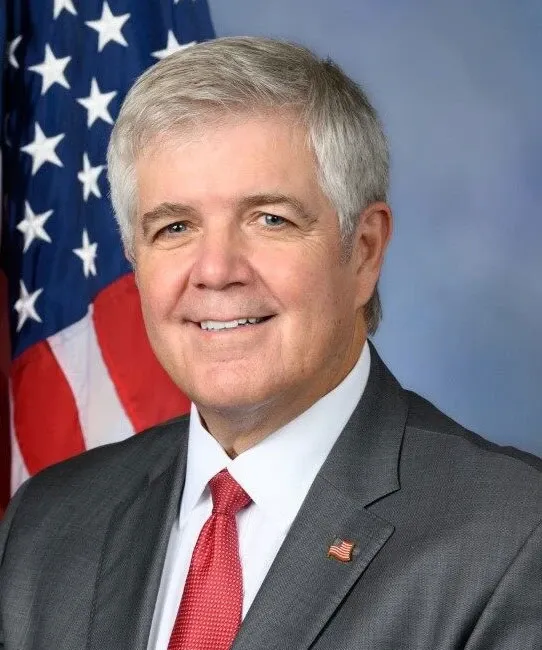
Greg Walden is a former U.S. Representative from Oregon, serving in the House from 1999 to 2021. A member of the Republican Party, he represented Oregon's 2nd congressional district. During his tenure, Walden was known for his work on issues related to healthcare, telecommunications, and energy policy. He played a significant role in the passage of the 21st Century Cures Act, which aimed to accelerate medical product development and bring new innovations to patients more quickly.
Large and fundamental questions loomed, and this subcommittee sought to exercise its role as NTIA's oversight authority and try and get some answers.
Last year, NTIA announced that it would work to transition the stewardship of the Internet Assigned Numbers Authority to the multistakeholder community, frankly, to a chorus of concern.
Mr. Kennedy, thank you for your leadership, and that of your team's, and the progress that you are making.
Early shortcomings in FirstNet's approach to consultation with States and others interested parties had resulted in considerable uncertainty and concern among stakeholders.
Much has happened since then. There has been some turnover in management, and with the release of the Inspector General's report in December of last year confirming much of what we feared--that FirstNet had been operating without proper…
When we last convened to discuss FirstNet, my goal was to leave that hearing with a higher level of comfort with regard to FirstNet's progress and confidence in the way it was conducting its business.
Unfortunately, in the intervening years, while we have seen some reform at the FCC, I don't think it has gone far enough.
Together with the draft bills we discussed at our last legislative hearing and the consolidated reporting bill that was passed unanimously by the House in February, these are real steps toward a higher standard for transparency of…
Representative Matsui's bill would encourage the FCC to improve access to government for small businesses.
I applaud their willingness to work with the majority on improving the FCC process.
The objective is to grant the FCC significant latitude in setting its own deadlines in developing performance measures for program activities.
I am pleased to announce that my colleague and friend, Ranking Member Eshoo, and I will reintroduce the FCC Process Reform Act.
We must not buy into the idea that an FCC Chairman will diminish his or her power and work against their own interests there.
Representative Loebsack's bill would require the chairman to publish the internal procedures at the FCC.
It is time to sign over the title to this car, but not until we are sure that ICANN is answerable to the community we designed it to serve.
Bipartisan staff discussions are ongoing, and we are hopeful that an agreement can be reached to hold NTIA accountable to their own criteria.
We would be negligent in our responsibilities to not sure that NTIA, and the Administration, is living up to its promises.
The Internet remains a free and open place to exchange information and ideas, and the goal of my legislation has always been to preserve that for future generations.
This subcommittee has been committed to oversight of the transition process.
It would be irresponsible to ignore the very real risks associated with a relinquishment of the U.S. role in Internet governance, no matter how symbolic.
Politicians like Greg Walden