Apr 16, 2018
I also have some concerns regarding the recent policy change determining how impacting stakeholders may intervene in pipeline review.
The Public Record
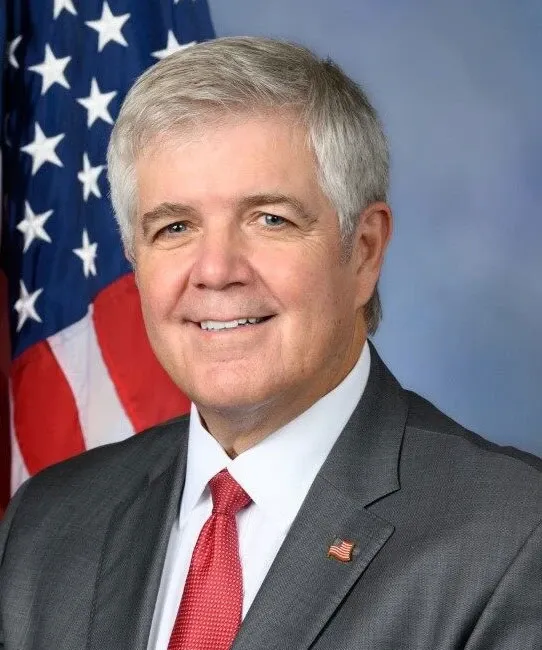
Greg Walden is a former U.S. Representative from Oregon, serving in the House from 1999 to 2021. A member of the Republican Party, he represented Oregon's 2nd congressional district. During his tenure, Walden was known for his work on issues related to healthcare, telecommunications, and energy policy. He played a significant role in the passage of the 21st Century Cures Act, which aimed to accelerate medical product development and bring new innovations to patients more quickly.
I also have some concerns regarding the recent policy change determining how impacting stakeholders may intervene in pipeline review.
I would like to commend the agency for its recent unanimous vote finalizing the rulemaking allowing for distributive energy resources to compete in wholesale markets.
I look forward to hearing directly from the FERC commission on this and other important issues.
It is a priority for the country. And we intend to move forward one way or another.
The Energy and Commerce Committee takes our obligation seriously to get the fuels and vehicles policy right. It is about time.
I think we all recognize the importance of ensuring that patients in Medicaid with substance use disorder have access to a continuum of care.
We look forward to continuing our work with them to get a robust bipartisan package of proposals to the White House for signature of the President in the coming months.
The urgency of the crisis demands an urgent response, and the challenges facing our communities demand action now.
We must continue to push forward. And I would respectfully ask everyone involved, stakeholders and Members of Congress alike, to push beyond our comfort zones and think creatively and boldly about how we can help.
This committee has already been instrumental in working in a bipartisan manner to devote a record--let me underscore record--amount of Federal resources toward the opioid epidemic.
We can and must advance opioid legislation in a bipartisan manner that the American people deserve.
I believe that that would be the worst thing we could do. I believe it would stifle innovation.
Whether it is Facebook or any other company, there has to be a willingness on the part of this Congress to step up and provide policy protection to the privacy rights of every American consumer.
We've called you here today for two reasons: One is to examine alarming reports regarding breaches of trust between your company--one of the biggest and most powerful in the world--and its users.
Your success story is an American success story, embodying our shared values of freedom of speech, freedom of association, and freedom of enterprise.
Does Congress need to clarify whether or not consumers own or have any real power over their online data?
The incident involving Cambridge Analytica and the compromised personal information of approximately 87 million American users--or mostly American users--is deeply disturbing to this committee.
I think we need an answer to that. I think we need to get these off as soon as possible.
The goal is then to get to good public policy and try and help people back home.
We stand ready to work with the President and his administration to put a stop to this crisis once and for all.
President Trump rightly called it the crisis next door, and earlier this week, rolled out an ambitious plan.
This epidemic knows no geographic, no political, nor any socioeconomic bounds.
Today marks the second of three legislative hearings advancing collaborative bipartisan legislative solutions to help combat the opioid crisis.
Politicians like Greg Walden