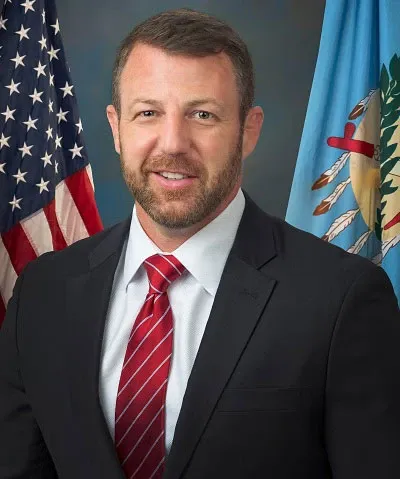
On the recordApril 25, 2001
while I was one who opposed S. 350 when it was in committee because of some problems that were there that we have tried to address, we have gotten a lot of cooperation from the committee in the meantime to address the problems. I think S. 350 contains provisions that would be a positive first step toward revitalizing brownfields in this country. S. 350 provides developers with moderate assurances for Superfund-forced cleanups. While some of my concerns over the finality of the language remain, I am comforted by the remarks of the chairman and ranking member of the committee concerning new information. That is, the information referred to in S. 350 pertains to information of the highest quality, objectivity, and weight which is acquired after cleanup has begun. With this language, I don't think the abuses I was concerned about are going to be there. If they are, we will be monitoring it. The scope of the cleanup finality provision is still of concern. The EPA could simply sidestep the bill by using RCRA, the Resource Conservation and Recovery Act, or even the Toxic Substances and Control Act to force parties to clean up sites. This is one of the concerns we tried to address in the committee. I don't think it has been addressed to our satisfaction, but at least we are in a position to monitor it.
Source
govinfo.gov