Mr. Speaker, since we first overhauled this country's failed welfare system back in 1996, some three million children have risen out of poverty. Today I rise to support this legislation as an important transition to the full reauthorization of those important reforms. According to the U.S. Department of Agriculture, the number of American children experiencing hunger has plummeted to half its number of what it was in 1995. When States and local governments shifted their focus from writing checks to encouraging work, welfare case loads fell by 60 percent, as we predicted. As a result, 3.5 million fewer Americans live their lives in poverty than was the case back in 1995 when this process started. However, some 2 million recipients remain dependent on welfare assistance, and many still do not participate in work or in training programs. While the success of past welfare reform initiatives are inspiring, and give lie to some of the claims we heard when we went through this process made by the other side, it is obvious that more work still needs to be done.
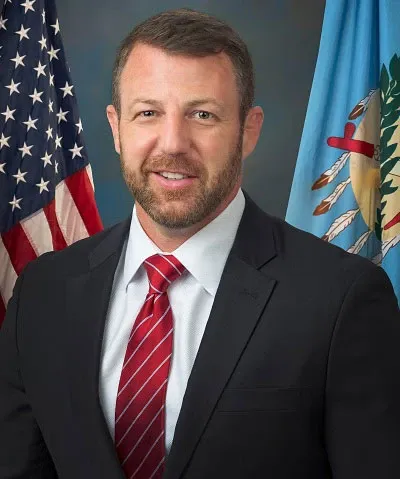
Glenn English: “Mr. Speaker, since we first overhauled this country's failed welfare system back in 1996, some three million children…”
Editor's note · Context
Discussing the impact of welfare reform and supporting new legislation for its reauthorization.
Share
More from Glenn English
it has been fascinating to appear several times on the floor during recent weeks to hear the debate on tax bills that seem to lurch in the direction of Iraq and wander all over the public policy landscape. I would like to bring the debate…
I seek unanimous consent to claim the time of the gentlewoman from Florida (Ms. Harris). The SPEAKER pro tempore. Is there objection to the request of the gentleman from Pennsylvania? There was no objection. ____________________
This is, in my view, simply another attempt to turn the clock back on tax relief. While it is costly to extend tax relief permanently, the workers of this country deserve to know that their taxes will not be increased on a year-by-year…
So I guess my common sense question is, does it make sense to go forward with this legislation at all if what we are in the end accomplishing is simply transferring to countries elsewhere in the world, who I don't think have any intention…