Sep 25, 2011
This proposed sweeping regulatory action would radically alter the definition of a stream, as well as how the agency measures material damage outside of the permit area.
The Public Record
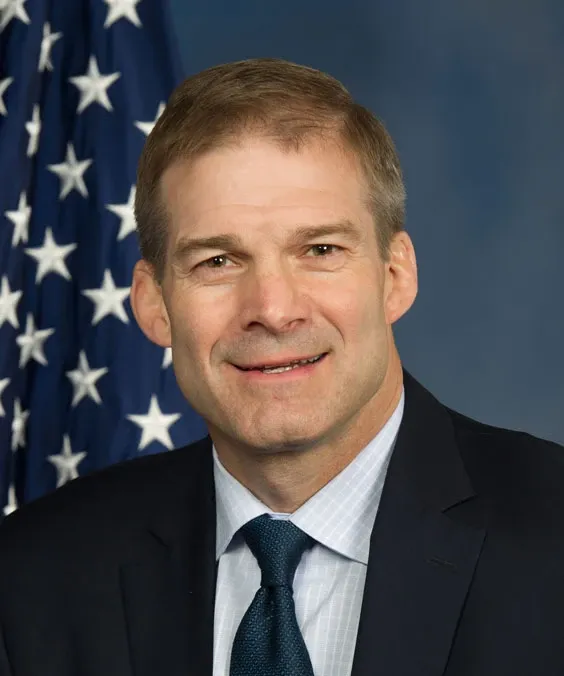
Bill Leslie Johnson is an American politician and member of the Republican Party who has served as the U.S. Representative for Ohio's 6th congressional district since January 5, 2011. He has been involved in various legislative efforts during his tenure, focusing on issues such as energy policy, healthcare, and economic development. Johnson has been an advocate for conservative principles and has worked to promote job creation and support for local businesses in his district. He has also served on several committees, contributing to discussions on national security and veterans' affairs.
This proposed sweeping regulatory action would radically alter the definition of a stream, as well as how the agency measures material damage outside of the permit area.
Reducing coal production nationwide will adversely impact revenues to Federal, State and local treasuries.
Thank you, Mr. Chairman. Mr. Carey, first of all, it's good to see a fellow buckeye here today as we talk about this very, very important topic.
There are entire communities that depend largely on the coal industry--both direct and indirect jobs--that would be devastated by this proposed rules change.
Solving this Nation's crushing unemployment problem has been my focus since the people of eastern and southeastern Ohio sent me to Washington to start the process of change. Today I rise to outline five specific actions we must accomplish…
Time and again this year this Committee has heard from companies that they were not able to get the environmental permits needed to go forward with job creating projects.
U.S. Attorney Johnson has reached out to the Commission and invited us to engage with his colleagues in a dialogue on the case-declination issue.
All right. Well, thank you. Commissioner Walter, you testified about Title I payments being offset by state funding in the past.
Not surprisingly, the Administration and the Department of the Interior have testified against these common sense reforms.
This draft legislation would help create a dependable stream of revenue for the counties that depend on the funding.
the best ideas for making Tribal communities safer come from Tribes, not from Washington, D.C.
This could be a far-reaching investment in our nation's economic future, not just something to give us a near-term economic jump start over the next few months, but also in creating long-term jobs here at home.
Thank you, Mr. Chairman, for holding such an important hearing today on the importance of rare earth procurement to the U.S. economy and China's troubling monopoly of these elements.
I yield myself such time as I may consume. Mr. Speaker, H.R. 2646, as amended, the Veterans Health Care Facilities Capital Improvement Act, would encompass the Department of Veterans Affairs' request for major medical facility projects and…
Once again, I encourage all Members to support H.R. 2646, as amended, and I yield back the balance of my time.
However, the real problem here isn't so much about China's actions but more about our own inaction.
And I believe that it is time to begin to reform hydropower development on the Federal conduits as well.
The rationale for the legislation's first right of refusal provision is that the non-Federal operator knows the details of the facility, and is locally invested in the project.
Our nation desperately needs affordable electricity, it desperately needs permanent jobs but to get them, it most of all desperately needs commonsense restored to its government.
This simple and commonsense solution means vast quantities of hydroelectricity--without a single new dam and at a cost to the government of precisely nothing.
I want to commend our sub-committee members Scott Tipton and Paul Gosar who are spearheading the effort to clear away these bureaucratic obstacles...
It is truly mystifying that a nation suffering a prolonged recession and plagued with increasingly scarce and expensive electricity would adopt a willful and deliberate policy of obstructing construction...
This legislation authorizes power development at the Agency's conduits to clear up multi-agency infusion, and duplicative processes, and reduces the regulatory costs associated with hydropower development.
This legislation seeks to remove one major economic handcuff, unnecessary environmental analysis.
The hydropower development encouraged by this legislation will not harm the environment since the generation units would be placed on already disturbed ground within existing facilities that have already gone through Federal environmental…
Politicians like Bill Johnson