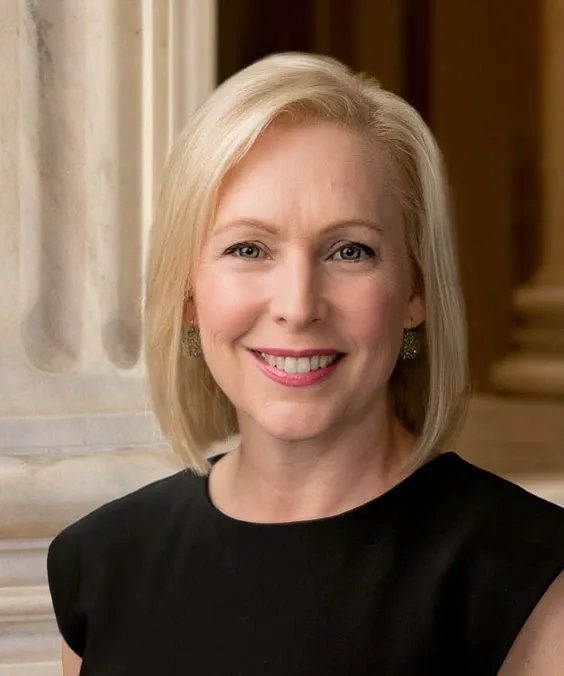
Dec 4, 2012
When Timothy Geithner says today that he's willing to go over the cliff, he's saying it because, yes, it's posturing. But he's also saying it because he means it.
The Public Record
American central banker and politician
★ Featured Quote
December 4, 2012
Absolutely. Yes, again, we see there's no prospect to an agreement that doesn't involve those rates going up on the top 2 percent of the wealthiest Americans.
— Tim Geithner
When Timothy Geithner says today that he's willing to go over the cliff, he's saying it because, yes, it's posturing. But he's also saying it because he means it.
The TARP bank investments have already produced a profit for the taxpayer of over $19.5 billion.
I definitely believe that Dodd-Frank has put us in a much stronger position than we were before the crisis.
If Congress were to choose to try to defer everything... that would be very damaging to the interests of the country.
If the U.S. Government were at this time... to significantly reduce the assistance it provides students going to college, that would be a bad thing for the country.
I believe, as does the President, that there is no plausible way for us to address the many economic challenges facing the country, including our unsustainable fiscal deficits, without asking those most fortunate few to pay a modestly…
You cannot govern a country if you commit never to raise taxes on anybody, because things change, wars happen, crises happen.
Executive compensation played a material role in causing the financial crisis because it encouraged excessive risk taking.
The only way to restore fiscal responsibility and still preserve the commitments we need to make to our retirees and national security, is by a modest increase in the effective tax rate for the Americans who are in the best position to…
I do not believe there is a credible argument to make that uncertainty about our fiscal deficits or uncertainty about the design of regulation in Washington today is having a material adverse effect on the American economy today.
If those were embraced by the Congress tomorrow, there would be substantially more confidence around the world in the capacity of this political system in Washington.
We have suggested that the burden for the revenues that would have to come on the individual side should fall on the most fortunate 2 percent of Americans through an increase in the effective tax rate on those individuals.
It would be better for the country for Congress to provide some certainty about how we are going to address these long-term fiscal problems.
The Obama Administration's determination to prevent Iran from acquiring nuclear weapons is unwavering.
The policies that Iran is pursuing are unacceptable--and until Iran's leadership agrees to abandon this dangerous course, we will continue to use tough and innovative means to impose severe economic and financial consequences on Iran's…
The administration and Congress have a responsibility to look forward, reconsider the role government has played in the past.
If Congress does not act on these tax provisions or on the investments and infrastructure things, then what happens to the American economy? What happens is that every American who has a job will see their taxes go up by $1,000 on average…
The basic sense that you see across the country that the political institutions in this country are not up to the challenges we face, unable to act, unable to solve problems, is absolutely weighing on confidence.
The things that are burdening the economy, making growth weaker are things that only Congress can solve.
You cannot effectively oversee a financial system without much better information than we had access to before the crisis.
I think you see reflected there, like you see reflected across the country, a deep sense of concern about the fact that we have 9 million Americans out of work.
People don't like to pay taxes. But they are more likely to pay taxes if you can make them more confident that they are not going to be wasted by their government.
It's critically important. I'll give you an example of how to--if the Congress extends those tax cuts that go to 2 percent of the most fortunate Americans in the country, we have to go borrow $1 trillion over 10 years.
Politicians like Tim Geithner