When in public speech or in a party platform a policy is outlined which it is known can not or will not be pursued, the fact is a reflection not only upon the speaker and the platform-maker, but upon the public feeling to which they appeal.
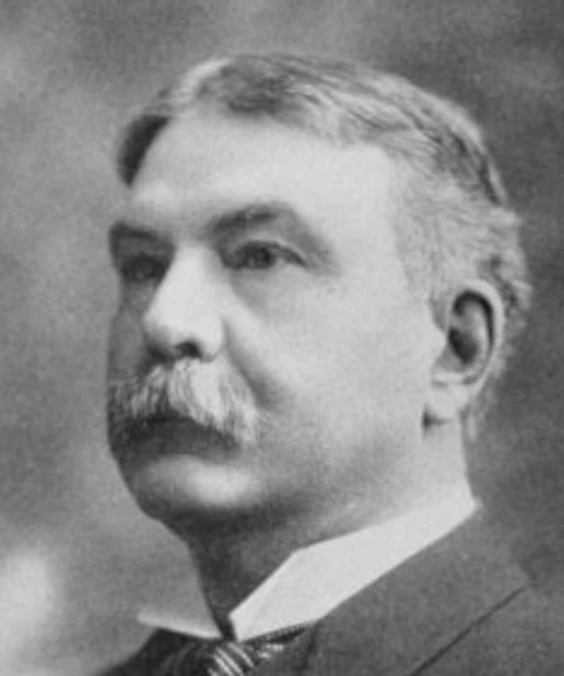
Teddy Roosevelt: “When in public speech or in a party platform a policy is outlined which it is known can not or will not be pursued, the…”
Editor's note · Context
In his essay on civic duty, Roosevelt criticizes the practice of making insincere political promises, holding both politicians and the public accountable.
Share
More from Teddy Roosevelt
I absolutely agree with you that this matter is not one to be decided with any reference to the personal preferences or interests of any man, but purely from the standpoint of the interests of the people as a whole.
Every special interest is entitled to justice—full, fair, and complete—and, now, mind you, if there were any attempt by mob-violence to plunder and work harm to the special interest, whatever it may be, that I most dislike, and the wealthy…
Therefore I hope that so far as possible the people may be given the chance, through direct primaries, to express their preference as to who shall be the nominee of the Republican Presidential Convention.
The good citizen will demand liberty for himself, and as a matter of pride, he will see to it that others receive the liberty which he thus claims as his own.