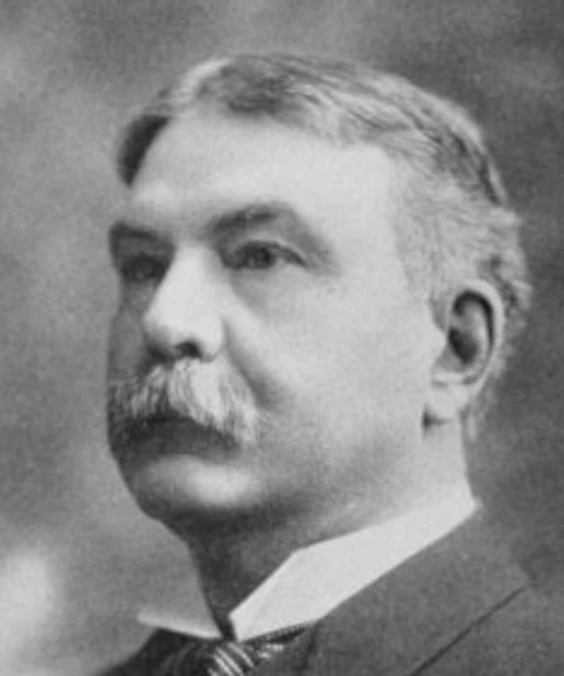
It is not possible to lay down an inflexible rule as to when compromise is right and when wrong; when it is a sign of the highest statesmanship to temporize, and when it is merely a proof of weakness.
On the recordJanuary 1, 1900
Source
gutenberg.orgEditor's note · Context
In "The Strenuous Life," this passage reflects on the difficulty of establishing a universal rule for when compromise is appropriate or a sign of weakness.
Share
More from Teddy Roosevelt
Aug 30, 1910
No man is worth his salt in public life who makes on the stump a pledge which he does not keep after election; and, if he makes such a pledge and does not keep it, hunt him out of public life.
Nov 4, 1912
Like all other good citizens, I accept the result with entire good humor and contentment.
Mar 1, 1909
Now, Therefore, I, Theodore Roosevelt, President of the United States of America, by virtue of the power in me vested by an Act of Congress, approved June fourth, eighteen hundred and ninety-seven, entitled, 'An Act Making appropriations…