Jan 8, 2014
My colleagues in the majority believe that if you like your insurance coverage you should get to keep it, unless it is for choices that they don't like.
The Public Record
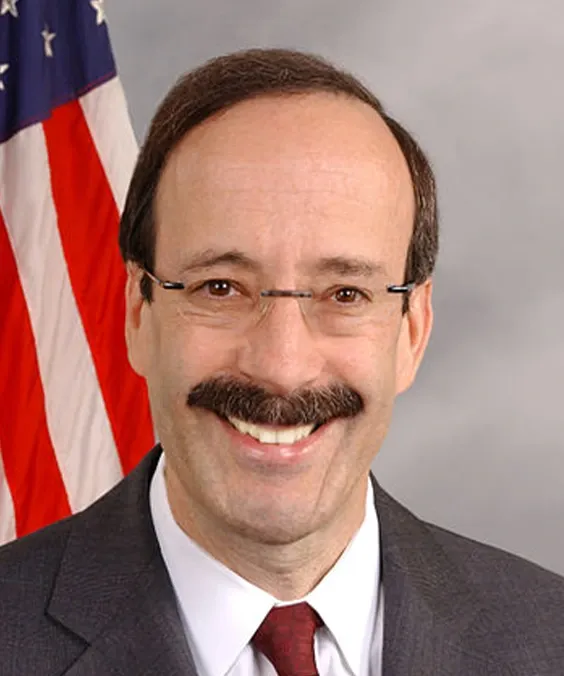
Jerrold Lewis Nadler is an American politician serving as the U.S. Representative for New York's 10th congressional district since 2013. A member of the Democratic Party, he previously represented New York's 8th congressional district from 1992 to 2013. Throughout his tenure, Nadler has been known for his work on issues related to civil rights, judiciary matters, and government oversight. He has played a significant role in various legislative efforts and has been an outspoken advocate for progressive policies.
My colleagues in the majority believe that if you like your insurance coverage you should get to keep it, unless it is for choices that they don't like.
H.R. 7 is a radical departure from current tax treatment of medical expenses and insurance coverage.
Thank you. I have other concerns as well when it comes to some of the bill's modifications to the pleadings standards, but we must deal with the real problem of patent trolls exploiting the current legal system for illegitimate purposes…
I thank the gentleman for yielding. I rise to support the Conyers-Watt substitute. Unlike the underlying bill, the substitute takes effective steps to address the patent troll problem without including the unnecessary endangered so-called…
I thank the gentleman for yielding. Madam Chairperson, I rise in reluctant support of this bill, the Innovation Act. The bill addresses the issue of patent trolls suing large companies, small businesses, and retailers over vague patents…
I would say it is the duty of the President to interpret the law within the boundaries that he has in a way that makes practical the implementation of the law to effectuate the will of Congress.
I must say that everything we are talking about today is laughable in my opinion in the context of these problems.
I generally in many respects agree with Professor Turley about the growth of the imperial presidency over the last half century or more.
I supported the Innovation Act when it passed the House in December 2013 because I thought it struck a reasonable balance in addressing the patent troll problems without imposing too great a burden on plaintiffs.
What would happen if we only spent money on recovery, we restore the systems exactly the way they were?
Politicians like Jerry Nadler