May 19, 2014
We created FSOC because it was quite evident that we needed an interagency process to better understand the very complex multisector and multimarket nature of systemically important financial institutions.
The Public Record
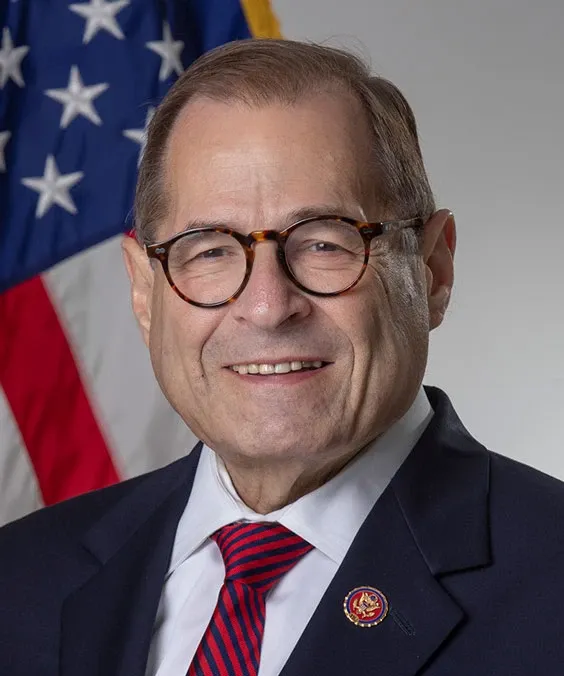
Gregory Weldon Meeks is an American politician serving as the U.S. Representative for New York's 5th congressional district since 1998. A member of the Democratic Party, Meeks has focused on issues such as economic development, education, and healthcare throughout his tenure. He has been an advocate for oversight and accountability in government, often speaking out on matters related to national security and foreign policy. Meeks has played a significant role in various legislative initiatives and has been involved in discussions regarding the War Powers and congressional oversight.
We created FSOC because it was quite evident that we needed an interagency process to better understand the very complex multisector and multimarket nature of systemically important financial institutions.
This bill does not advance U.S. interests, it will not help the people of Venezuela, and it sends the message to our regional allies that we don't care much about what they think.
I strongly oppose H.R. 4587, and I believe vehemently that unilateral action is not the answer.
I am also a firm believer in diplomatic solutions. I don't think that anybody... a military solution... is the answer here.
It is important to me that we are in fact working with NATO and others in the Baltic States.
I believe in sanctions when they are multilateral, not unilateral, you know, because unilateral sanctions don't seem to work.
A lot of the Members sitting here today--led by the ranking member--authored Section 342 of the Dodd-Frank Act on minority inclusion.
It seems as though, and here the whole idea is to make sure because there are lots of dollars there and it seems that they are going to certain segments and others are being left out.
I hope you recall that not too long ago we had a conversation at the White House regarding minority inclusion.
We have a generation of teenagers and young adults who are increasingly computer-literate and financially illiterate.
I believe that sanctions work but only when they are multilateral sanctions.
Latin America, indeed, has changed, and I think that the region is now more capable, more economically secure, and more open to the world.
We have to spend, I believe, less time worrying about other countries and more time getting our own policies right in a post-Cold War period.
The number one factor, I believe, affecting U.S. relations with Latin America is how the United States conducts itself in the region.
After the crisis, we knew we had to do better, and that is what Dodd-Frank was all about.
I want to make sure that we get rid of any--and eliminate any illegal payday lenders.
One man said if you believe the same way you believed 30 years ago today you have wasted 30 years.
I have long said that we have not engaged Latin America, South America, the Caribbean, and Central America in the methods that we should.
I just wanted to join in with Mr. Sherman. I heard your idea, and it is something that is intriguing to me.
I think that as we talk about what is going on in the Ukraine now it is important that there is unity...
So it is important as a conversation and the President's negotiating that we are doing certain things...
Politicians like Gregory Meeks