Feb 1, 2017
For 7 years Republicans have claimed to have a better way to reform America's healthcare system.
The Public Record
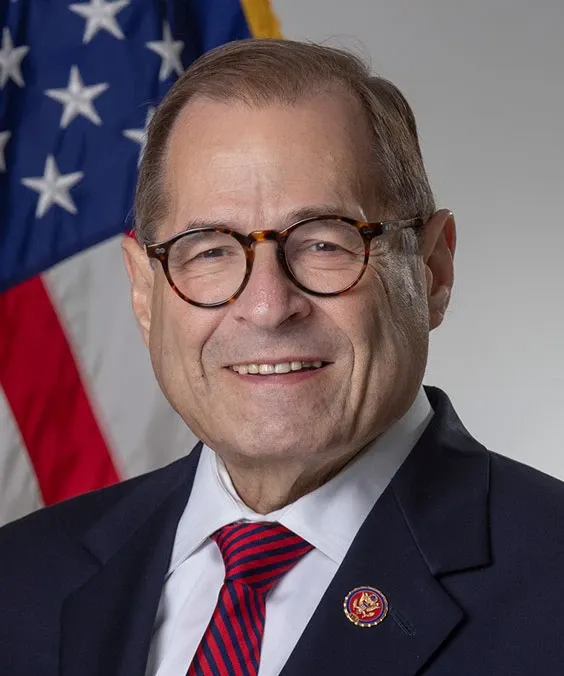
Eliot Engel is a former member of the United States House of Representatives, serving New York's 16th congressional district from 1989 until 2021. A member of the Democratic Party, Engel was known for his work on foreign affairs, particularly as the chairman of the House Foreign Affairs Committee. Throughout his tenure, he focused on issues such as international relations, healthcare, and education. Engel was an advocate for various social justice initiatives and played a significant role in shaping U.S. foreign policy during his time in office.
For 7 years Republicans have claimed to have a better way to reform America's healthcare system.
This is why they chose their words so carefully because the access they are promising isn't truly access at all.
I personally am the American Cancer Society. I do support universal access to adequate and affordable healthcare coverage.
Is there any evidence that refusing or holding up Americans' Medicaid coverage as these bills would do, would reduce waiting lists for home and community based services?
So Ms. Solomon, let me ask you again. Would you say that New York's example is representative of most states without waiting lists?
Despite charges that Medicaid is inflexible, our state has dramatically revamped our program to improve program integrity, better care for patients and save money.
For them, Medicaid is a chance to stay healthy which means a chance to work longer hours and provide for their families.
These bills represent yet another Republican attempt to gut Medicaid based on total falsehoods.
I don't think anyone here would disagree with meaningful efforts to shrink waiting lists and afford Americans the services they need quickly, but that is not what these bills do.
If you want to strengthen Medicaid, if you really want to strengthen Medicaid, strengthen the Affordable Care Act.
I support Mr. Cicilline's amendment. [...] it is always better to have more rather than less transparency.
I think it is reasonable to apply the same standards to government witnesses.
When it comes to promoting national interest, politics stops at the water's edge.
It is my pleasure to yield 1 minute to the gentleman from Florida (Mr. Deutch), my friend on the Foreign Affairs Committee and the ranking member of the Middle East Subcommittee.
It is now my great pleasure to yield 1 minute to the gentlewoman from New York (Mrs. Lowey), the ranking member of the Appropriations Committee.
If we stay committed to deepening this venture further, if we think long term while working to meet day-to-day challenges, then this relationship will help both our countries become stronger and more prosperous.
We can't avoid the hard questions or avoid discussions simply because they are difficult conversations to have.
Civil society plays a pivotal role in democracy, holding government accountable and standing up for the rights of marginalized groups.
I have been concerned by reports that NGOs are having difficulty registering and operating in India.
These democracies need to protect the right of free expression and free assembly.
Today, in my view, the U.S. relationship with India is one of our most important, driven by our shared interests and shared values.
Thank you for calling this hearing today. I welcome the chance to speak with you about Compassion International's recent struggles in India.
We have spent 9 months and hundreds of hours dealing with the Indian bureaucracy on this.
I was one of the leading voices pushing for a U.S. visa for Chief Minister Modi.
Politicians like Eliot Engel