Apr 10, 2018
A more comprehensive approach is needed. We need to be thinking about the full spectrum of providers and their roles in solving this crisis.
The Public Record
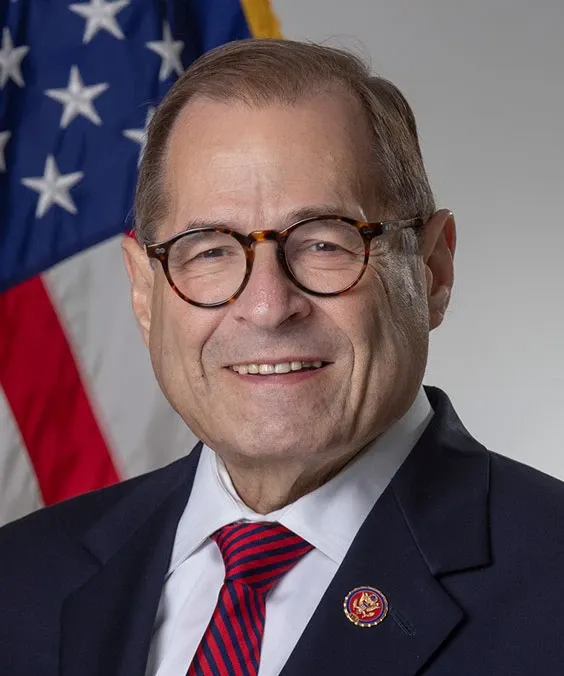
Eliot Engel is a former member of the United States House of Representatives, serving New York's 16th congressional district from 1989 until 2021. A member of the Democratic Party, Engel was known for his work on foreign affairs, particularly as the chairman of the House Foreign Affairs Committee. Throughout his tenure, he focused on issues such as international relations, healthcare, and education. Engel was an advocate for various social justice initiatives and played a significant role in shaping U.S. foreign policy during his time in office.
A more comprehensive approach is needed. We need to be thinking about the full spectrum of providers and their roles in solving this crisis.
I think we need to be more thoughtful about the data we are asking states to collect when facing a shortage of providers.
In my opinion, the reporting required under this bill is overly prescriptive and burdensome and may take the limited resources states have for Medicaid GME and offer reporting that will not tell us very much.
I worry that asking States to make complicated changes to their Medicaid programs in less than a year sets them up for failure.
We must do more to turn the tide of the opioid epidemic, and we cannot hope to do that if we fail to recognize the importance of Medicaid.
Many of us are very angry about Russian influence in the 2016 Presidential elections and Russian influence over our Presidential elections.
I hope that you might commit to returning to Westchester County perhaps to do a forum on this and some other things.
These centers are a smart public health investment. They offer real time, lifesaving assistance while at the same time saving hundreds of millions in federal dollars.
This week, Congresswoman Brooks and I introduced the Poison Center Network Enhancement Act, a bill that will reauthorize the Nation's poison center programs for an additional 5 years.
As we work to end the opioid crisis, we need to ensure that results drive decision making.
The goal of the RESULTS Act is to ensure that Federal grants intended to treat mental health and substance abuse disorders fund activities that are backed by sound evidence.
This Congress rejected it--bipartisan rejected it and we improved the amount and then the administration the second year... sends us another proposal for the same draconian cuts that we rejected.
The real-world impact of those cuts would be absolutely devastating. Tens of thousands of people will lose access to lifesaving medicines and potentially starve to death.
I hope that you can increase whatever aid we can give to the civilian population in Syria.
I've been extremely disappointed by the administration's draconian 33 percent cut to USAID and also to the entire international affairs budget.
Healthy and more productive societies, governments that respect the rule of law and transparency, countries that are strong fair leaders in their regions--all these help us to advance our interests around the world.
I have no shortage of disagreements with this administration but I'll give credit where credit is due.
The investments we make in these efforts pay huge dividends--that USAID's work advances American values, promotes economic prosperity, and improves lives around the globe.
This bill says that American assistance for reconstruction should be available in areas controlled by Assad only if the regime stops indiscriminate use of weapons.
The Assad regime's brutal campaign of violence rages on. It's just horrific.
I think we need to do whatever it takes, and if the administration won't do it, it's up to us.
I have to say, in my view, we need to consider additional sanctions against Russia for its ongoing attack on American democracy.
I was happy to join with you a few weeks ago in introducing the Export Control Reform Act in a bipartisan way.
It's scary for people who don't know what they are going to do if this happens.
Politicians like Eliot Engel