Jul 28, 2009
I do not think they would have a different structure, and I would argue that the recent history would undercut your argument even further.
The Public Record
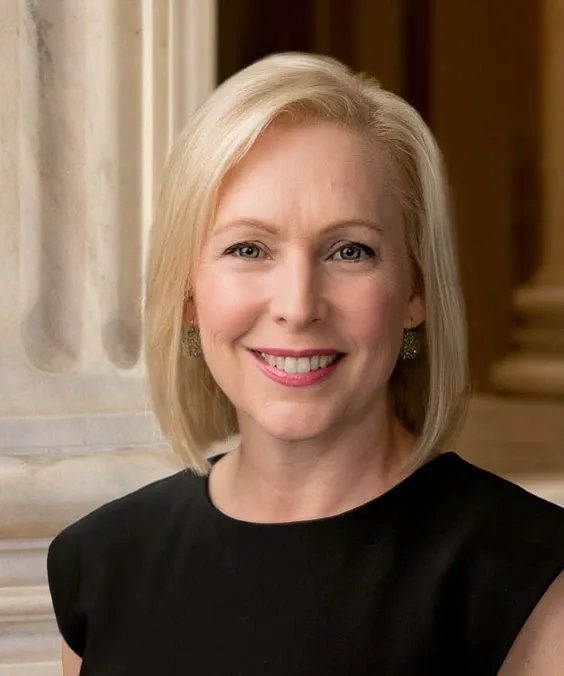
Chuck Schumer is an American politician serving as the senior United States senator from New York since 1999. A member of the Democratic Party, he has held the position of Senate Majority Leader since January 2021, making him one of the most prominent figures in the U.S. Senate. Schumer previously served in the U.S. House of Representatives from 1981 to 1999, representing New York's 9th congressional district. Throughout his career, he has focused on issues such as healthcare, infrastructure, and economic development, often advocating for policies that benefit working families and promote social justice.
I do not think they would have a different structure, and I would argue that the recent history would undercut your argument even further.
Doesn't the Shareholder Bill of Rights create a competitive advantage for the companies that follow the best practices?
To ensure that owners of U.S. companies face no needless delays over the effective date of this critical reform, the council recommends congressional affirmation of the SEC's authority.
The Shareholder Bill of Rights will go a long way to making sure that these failures do not happen again.
The council believes that the U.S. Congress must legislate this important and most basic shareowner right.
And, sixth, and finally, requires public companies to create a separate risk committee containing all independent directors to assess the risks that the company is undertaking.
Can you give me one good reason that a director who gets only one vote at an annual meeting should be allowed to continue as a director?
The council believes a modest proxy access mechanism would substantially contribute to the health of our U.S. governance model.
Fifth, it requires public companies to split the jobs of CEO and chairman of the board and requires the chairman to be an independent director.
There are far too many cases recently where boards of directors... were asleep at the wheel.
It is a national disgrace that under most State laws the default standard for uncontested director elections is a plurality vote.
Second, we instruct the SEC to issue rules allowing long-term shareholders with significant stakes in the company to have access to the company's proxy form if they want to nominate directors to the board.
I introduced the Shareholder Bill of Rights with Senator Cantwell earlier this year.
Third, it requires boards of directors to receive a majority of the vote in uncontested elections in order to remain on the board.
I thank you and congratulate you, Chairman Reed, for putting together an excellent panel.
First, we require all public companies hold an advisory shareholder vote on executive compensation and obtain shareholder approval for golden parachutes.
Congress should pass legislation mandating annual advisory votes on executive pay.
Fourth, it eliminates staggered boards which insulate board members from the consequences of their decisions by requiring all directors to face election annually.
First and foremost, we need someone looking at the whole economy for the next big problem with the authority to do something about it.
Taxpayers had no choice but to step in--and that is my strong view--assuming billions of risk and saved companies because our system was not set up to withstand their failure.
Politicians like Chuck Schumer