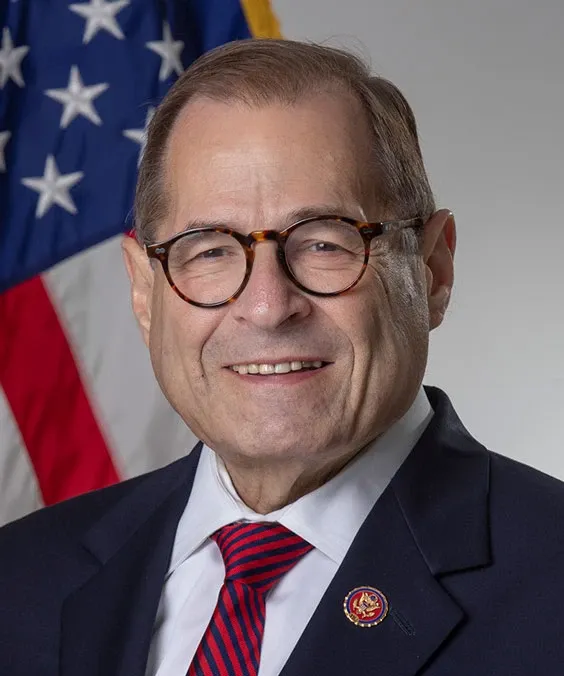
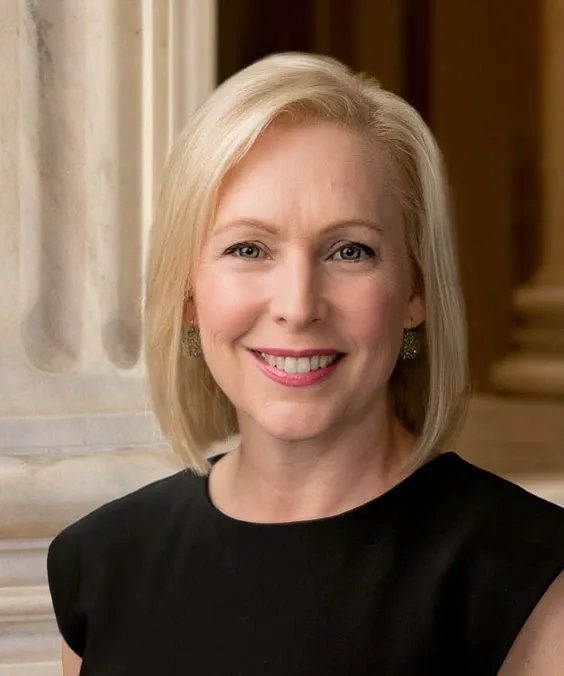
Carolyn Maloney
The Public Record
Carolyn Maloney is a member of the United States House of Representatives, representing New York's 12th congressional district since 1993. A member of the Democratic Party, she has held various leadership roles within Congress and is known for her advocacy on issues such as women's rights, economic equality, and gun control. Throughout her tenure, Maloney has been involved in significant legislative efforts, including those aimed at supporting the garment industry in New York City.
Jun 19, 2012
I would like to focus on the growing percentage of the market of these dark pools, which seems to be the exact opposite of what we are trying to achieve in Dodd-Frank.
Jun 18, 2012
I would like to ask you, Mr. Dimon, I always thought that you loved New York. So why are all these jobs and all this activity taking place in London?
Jun 18, 2012
Let me be clear, the surveys that the House voted to eliminate are the best measurement of our nation's progress.
Jun 18, 2012
It's a fight over ideology. This is a slippery slope, where ideological bullies threaten the trust, confidence, and independence of our nation's most critical statistics.
Jun 18, 2012
In our current economic times, it makes no sense to stop collecting such invaluable information that guides economic recovery and growth.
Jun 18, 2012
I wish we were having a hearing on job creation. Instead, we are having one on why the House voted to strip job creators of the tools they need to grow the Nation's economy.
Jun 18, 2012
Is the regulatory regime lighter in London? Why is all the activity overwhelmingly, and all the problems appear to be in London?
Jun 18, 2012
What are the lessons that you have learned for large financial institutions going forward?
Jun 18, 2012
I would like to ask the regulators about a disturbing pattern in the last few years of London literally becoming the center of financial trading disasters...
Jun 18, 2012
I think the industry, regulators, and policymakers can agree that the Volcker Rule... should be put in place as soon as possible.
Jun 6, 2012
I believe that the Fed should use any tool in your arsenal, whatever it is, to provide support to our fragile economy.
Jun 6, 2012
Argentina must honor their international obligations and the United States will take necessary steps to make sure that they do so.
Jun 5, 2012
Unfortunately, a Federal Reserve rule implementing a provision of the CARD Act, I believe was wrong, and misinterpreted the congressional intent.
Jun 5, 2012
I certainly didn't come to Congress to roll back women's access to credit in any way, shape or form.
Jun 5, 2012
Madam Chairwoman, may I ask unanimous consent to enter into the record a statement from Representative Louise Slaughter, who worked very closely with me on this bill, particularly in the area for stay-at-home moms.
Jun 5, 2012
Because of the CARD Act, consumers have benefited from curbs on some traps and really tricks that card issuers use.
Jun 5, 2012
The CARD Act saved $10 billion in its first year, saved that for consumers, and complaints about credit cards have declined dramatically.
Jun 5, 2012
You have raised the issue to everyone's attention, and it is an important issue, and it certainly was not the intent of the legislation.
Jun 5, 2012
I believe it is a tremendously important issue, one that I have been working on for years.
Jun 5, 2012
This is the wrong direction for women or anyone who supports their families by working in the home.
May 31, 2012
Last year, the SEC came out with a guidance that financial firms had to disclose the cost of material cyber attacks and include a description of relevant insurance coverage to shareholders.
Politicians like Carolyn Maloney