Jun 21, 2023
I appreciate the opportunity to appear today to provide testimony on the Inflation Reduction Act's historic investments in American households and jobs aimed at accelerating the U.S. transition to a clean energy economy.
The Public Record
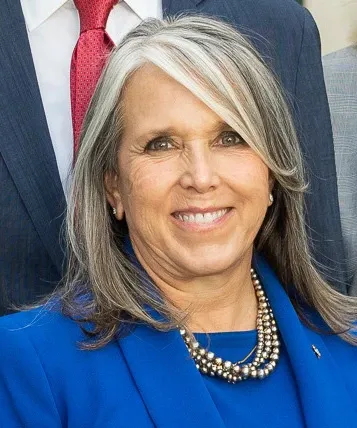
Teresa Isabel Leger Fernandez is an American attorney and politician currently serving as the U.S. Representative for New Mexico's 3rd congressional district, a position she has held since January 3, 2019. A member of the Democratic Party, she has focused on issues such as healthcare, education, and environmental protection during her time in office. Leger Fernandez has been an advocate for the needs of her constituents, emphasizing the importance of compassion and justice in her public service.
I appreciate the opportunity to appear today to provide testimony on the Inflation Reduction Act's historic investments in American households and jobs aimed at accelerating the U.S. transition to a clean energy economy.
Finally, with the Inflation Reduction Act and with the others that Congress passed, the President signed into law, are finally giving you the tools, which is people power, to get this done.
We need to do better by the downwinders who were part of our national security, but were victims of the need for the progress
The same way your work and the work of NEPA doesn't happen without the investments we have made to make sure that there are the professionals on the ground who can do these reviews more quickly.
This is about looking for the solution, looking for the answer, and being optimistic about we can solve this if we pay attention to it.
I truly appreciated, as we opened our hearing today, your summary of how both congressional Democrats and President Biden's administration have worked to actually bring down the cost of prescription drugs, have worked to make sure that…
Part of the problem that we still need to look at is rural hospitals. Like too many hospitals in rural America are closing their OB/GYN or cutting their hours.
The more assistance you can provide, sort of from the executive on, that would really be helpful, so that we can have more of the rural areas.
I represent rural communities, you have been out to my district, and there is a huge need for better health care and better access to resources.
UIOs were essentially created by Congress to ensure that the trust obligation was met in urban settings.
We really want to take what happened in these horrible 2 years of suffering through this pandemic, and not just forget about them, but learn from them.
I am also very pleased that, in the recent bipartisan budget default agreements that were made, that we did save $1.3 billion that needed to go to the Indian Health Service.
I find that so often in this Subcommittee, in this room, we hear testimony that is so powerful.
Thank you so much, Madam Chair, and thank you for the testimony this morning.
But legislation that addresses lands, like the Wounded Knee legislation, for example, I think it is important...
In many ways, it sounds to me like when you are looking at the independent contractor issue, it is about who are you going to stand with, the workers or the corporations.
We are so proud of it, because in New Mexico, we have some of the lowest unemployment in history.
I think it is important because it represents not only the Department of the Interior's act to solidify that connection...
Yes or no, do you believe in separation of powers and that the Department of Labor does not pass laws and instead only implements rules that are consistent with the laws Congress passed?
In some sense, the Department of Labor is there to serve as backstop, because individual workers who might be stiffed for their overtime, who might be placed in an independent contractor position, they need somebody to be on their side.
There were 300 salmon available for an entire tribe visualizes in many ways kind of the tears and the pain of the injustices that I think we all acknowledge that have occurred.
I agree that we need to address the fentanyl crisis, but what we are saying is we need to do more. The bill we are looking at today does not increase any funding for law enforcement. It does not address the need that we have to increase…
I always look forward to it when we have the bipartisan support for, including tribes, recognizing them as sovereign nations.
Politicians like Teresa Leger Fernandez