Sep 25, 2013
And I want to know what that impact of continuing that kind of a balanced approach, where you are reducing and you are raising, has on the Federal deficit over the next 25 years.
The Public Record
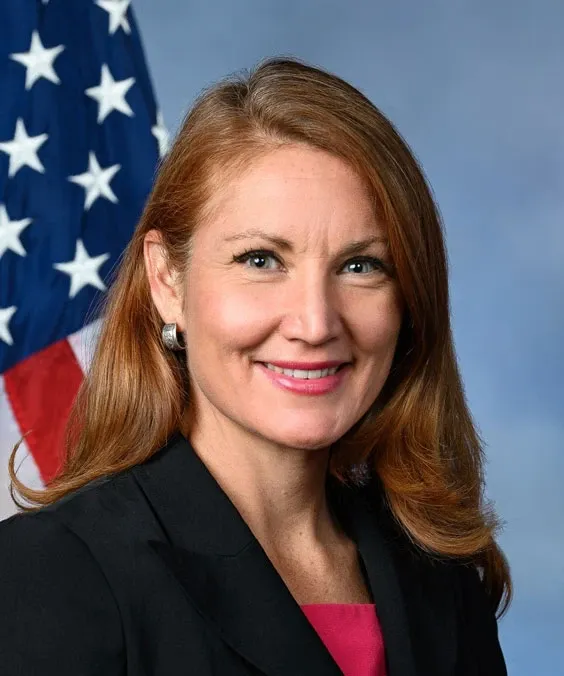
Michelle Lujan Grisham is the 32nd governor of New Mexico, having taken office on January 1, 2019. A member of the Democratic Party, she previously served as a U.S. Representative for New Mexico's 1st congressional district from 2013 to 2019. As governor, Lujan Grisham has focused on issues such as healthcare, education, and economic development, advocating for policies aimed at improving the quality of life for New Mexicans. She has also addressed public safety concerns, including drug-related issues and human trafficking in the state.
And I want to know what that impact of continuing that kind of a balanced approach, where you are reducing and you are raising, has on the Federal deficit over the next 25 years.
This sequester then leads to, particularly in the military, an inability to do that innovation and research and have that translate to economic growth in the economy.
What is the impact on our economy if we weren't to address that and make sure that the full faith and credit of the United States--
We are expanding Medicaid, we have a Republican Governor, who is doing that.
The deficit and the debt are stark and striking and require us to do something because they are incredibly serious.
It is irresponsible to just decide that we should cut any of these programs in the name of poverty reduction.
But you would agree that we ought to be careful about just cutting those families off food stamps.
In New Mexico, senior citizens beg to go back to work because $10 in food stamps was not enough to make ends meet.
This seems like a very political attempt to undermine the implementation of the Affordable Care Act
I might argue with you that the benefits under the Affordable Care Act are not more robust for a Native American community.
I am stymied that so far in this hearing we are more concerned about background checks and those qualifications for people who would be navigators and outreach specialists, than we are for people who would, today, buy a firearm.
We are going to need navigators and assisters and outreach and education efforts to facilitate enrollment to the highest degree.
Even in that tough economic time, the president understood that it was essential to invest in infrastructure.
Thank you, Mr. Chairman, and I, too, appreciate this discussion, because having critical investments and having as a priority, both publicly and privately, transportation infrastructure certainly is not something new.
There is still a federal role, there is a national interest in investing in our economy, in keeping the country together, in policy priorities
I love the village post office concept in many ways, and I am very fearful about whether or not you are going to get the kind of quality and relationship building between those folks and their constituents.
I want to just highlight a couple. So we have got 63.5 billion for the Administration.
We have got the highest suicide rate by veterans that we have ever seen before in this country.
The first principle is we have a sacred obligation to our veterans who have put their lives on the line to protect our country.
Politicians like Michelle Lujan Grisham