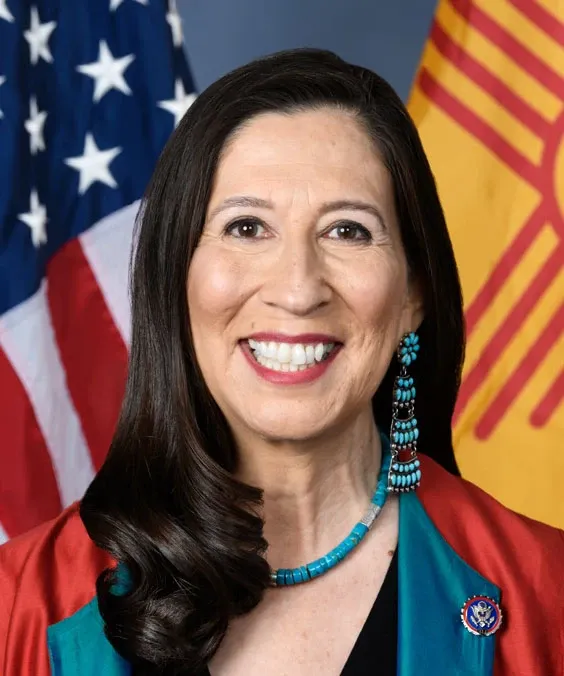
Jeff Bingaman
The Public Record
Jeff Bingaman is a former U.S. Senator from New Mexico, serving from 1983 to 2013. A member of the Democratic Party, he was known for his work on energy policy, education, and healthcare. During his tenure, Bingaman played a significant role in shaping legislation related to renewable energy and was a strong advocate for the development of clean energy technologies. He served as the Chairman of the Senate Energy and Natural Resources Committee, where he focused on issues such as energy efficiency and the promotion of alternative energy sources.
Mar 16, 2009
Decisions that may prove essential to our Nation's energy security and economic well being.
Mar 11, 2009
Senator Bingaman, your leadership here is surely welcomed and we thank you for that.
Mar 11, 2009
Investment in the transmission grid will stimulate economic development, reduce electricity costs for consumers, and improve grid reliability.
Mar 4, 2009
This legislation will put Americans back to work while laying the groundwork for a clean energy economy.
Mar 4, 2009
If we, our children, and our grandchildren are to prosper in the 21st century, we must decrease our dependence on oil, use energy in the most efficient ways possible, and decrease our carbon emissions.
Mar 4, 2009
I look forward to working with others in the Administration, this Committee, and the Congress to meet the President's goal of legislation that places a market-based cap on carbon pollution and drives the production of more renewable energy…
Mar 4, 2009
I hope we can benefit from learning from what others, including Japan are doing in this regard.
Mar 2, 2009
This morning's hearing is on a topic that most of us had not even heard of a few years ago, but today is widely discussed here in Washington and around the country, and that is the smart grid.
Mar 2, 2009
The standards absolutely need to be applied nationwide to ensure interoperability and they should ultimately be harmonized with international standards.
Feb 25, 2009
Technologies that improve building efficiency are often referred to as the low-hanging fruit in meeting our energy challenges.
Feb 25, 2009
It's important to focus on the buildings sector because it represents such a large share of primary energy use and of greenhouse gases.
Politicians like Jeff Bingaman