Jun 23, 2010
We cannot repeat the mistakes, negligence, or recklessness that led to this disaster.
The Public Record
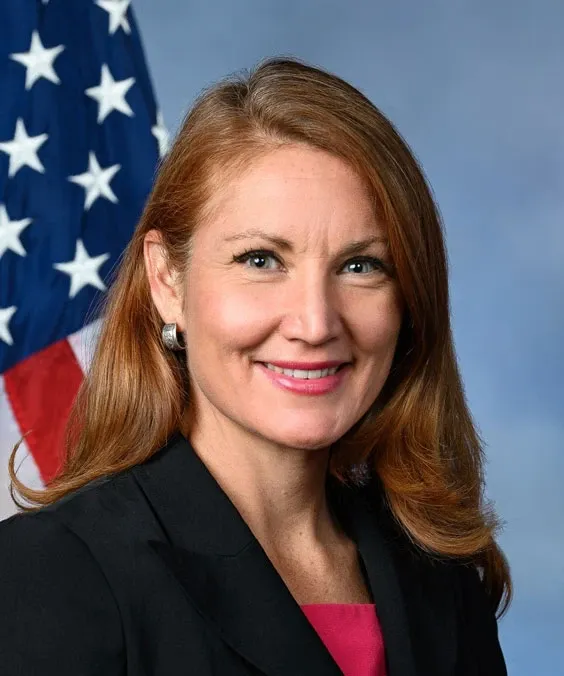
Jeff Bingaman is a former U.S. Senator from New Mexico, serving from 1983 to 2013. A member of the Democratic Party, he was known for his work on energy policy, education, and healthcare. During his tenure, Bingaman played a significant role in shaping legislation related to renewable energy and was a strong advocate for the development of clean energy technologies. He served as the Chairman of the Senate Energy and Natural Resources Committee, where he focused on issues such as energy efficiency and the promotion of alternative energy sources.
We cannot repeat the mistakes, negligence, or recklessness that led to this disaster.
Our goal must be, of course, to prevent future disasters. But we can and we must do more than that.
This legislation is not written in stone. I mean, it needs to be changed here and there.
I want to thank you for holding the hearing because, as we move down the road, hopefully with the energy bill...
I want to express our appreciation for this Committee's ongoing support for electric drive and recognition of its role in a cleaner, more secure transportation future.
Chairman Bingaman, Ranking Member Murkowski, and Members of the Committee, good morning.
The significant benefit of using electricity to fully or partially power our vehicles, when it comes to oil security, is easy to see.
The President has talked about having a million electric vehicles on the roads by 2015 in this country.
Today we are looking into the issue of how to accelerate deployment of electric vehicles...
I am really pleased with this legislation. It is bipartisan. I think it will move us in the right direction.
The manmade disaster unfolding in the Gulf provides an obvious reason to reduce our reliance on oil.
Moving in the direction of an electric drive, vehicle fleet makes a great deal of sense.
Thank you for your leadership in introducing the Valles Caldera National Preserve Management Act to ensure the long-term protection of one of New Mexico's most magnificent natural areas.
Do you feel comfortable moving the technical details of these warheads to another laboratory?
Where are the staff coming from and could they affect other areas of work for Department of Defense (DOD) customers?
Will that be endangered with the large nuclear weapons workload that you expect?
Dr. Miller, how do you envision NIF and Sandia's Z machine working together under the stockpile program?
Are you aware of whether the labs have embraced the recommendations of this report?
How close are you to getting a total cost and time estimate for Sandia's portion of the B61?
Do you have certainty in the requirements for integrating this nuclear weapon to the F-35 at the present time?
Dr. Miller, your testimony refers to advances in computing to millions of trillions floating point operations per second or Exascale--are you working with the DOE's Office of Science computing program on this?
Politicians like Jeff Bingaman